
Mental Clarity Longevity Protocol Guide for 2026
Unlock your potential with the mental clarity longevity protocol guide. Follow 7 essential steps for improved focus, health, and life balance.
Mental Clarity Longevity Protocol Guide for 2026
The most effective mental clarity longevity protocol follows seven sequential priorities: anchor sleep timing, build Zone 2 aerobic and resistance training, eat protein-forward and plant-forward with time-restricted eating, hydrate strategically, correct documented deficiencies with targeted supplements, do daily stress-reduction and emotional work, and monitor biomarkers to adjust. That order is not arbitrary. It reflects evidence-prioritized tiers where foundation behaviors deliver the largest return before any optimization layer is added.
Your 7-step protocol at a glance:
- Sleep anchor: Consistent wake time, ample sleep duration, bedtime variance minimized
- Movement: Sufficient weekly Zone 2 aerobic exercise combined with resistance training sessions
- Nutrition: Protein-adequate intake with ample fiber and a prolonged overnight fasting window
- Hydration and caffeine: A moderate amount of water on waking; avoid caffeine several hours before sleep
- Supplements: Correct deficiencies first (vitamin D, omega-3, magnesium), then optimize
- Stress and emotional work: Daily NSDR, breathwork, and trauma-aware nervous-system regulation
- Biomarker monitoring: Core bloodwork every 6–12 months; DNA methylation annually
Quick actions you can take in the next 24 hours:
- Set a fixed wake time and commit to it tomorrow regardless of when you fall asleep.
- Drink 400–500 ml of water within 10 minutes of waking.
- Take a 20-minute brisk walk before noon.
Pro Tip: Download the free 14 Upgrades guide at reverseyourage.org/14-upgrades. It maps this exact protocol onto the TIMELESS four-layer framework (Physical, Emotional, Spiritual, Energetic) and gives you a prioritized starting point based on where you are right now.
The TIMELESS approach, built on 15 years of research and verified by TruAge DNA methylation testing, is the guided path that operationalizes every step in this protocol with DNA-verified tracking. The self-guided entry point is the book. The high-accountability path is the 8-week Vitality Intensive coaching program.
Table of Contents
- What baseline tests should you run before starting a longevity protocol?
- How should you eat to support cognitive clarity and healthy longevity?
- What exercise prescription actually preserves cognition and extends healthspan?
- How do sleep timing and light exposure protect your brain long-term?
- Which stress-reduction techniques actually move the needle on biological aging?
- What supplements have real evidence for mental clarity and longevity?
- How do you track progress and know when to adjust the protocol?
- What does an optimized day look like for mental clarity and longevity?
- Where should you start? The weakest-link prioritization checklist
- How does the TIMELESS four-layer protocol map onto this guide?
- Do intermittent fasting variations beyond TRE improve brain health?
- Key Takeaways
- Why most longevity protocols fail at the layer that matters most
- The TIMELESS book and Vitality Intensive: your guided path to DNA-verified age reversal
- Useful sources and further reading
- FAQ
What baseline tests should you run before starting a longevity protocol?
Most people skip this step and spend months optimizing the wrong thing. A single abnormal biomarker, left uncorrected, can blunt every other intervention you layer on top of it. Harvard Health’s five-pillar longevity framework makes the same point: identify your weakest pillar first, because correcting the biggest deficiency yields the greatest biological-age improvement.
The table below pairs each test with its primary clinical implication and a first corrective action.
| Biomarker / Test | Why It Matters for Clarity and Longevity | First Corrective Action |
|---|---|---|
| ApoB | Best predictor of cardiovascular and cerebrovascular risk | Reduce saturated fat, increase fiber, consult physician for statin consideration |
| Fasting insulin | Early metabolic dysfunction precedes HbA1c changes by years | Time-restricted eating, reduce refined carbohydrates, increase Zone 2 exercise |
| hs-CRP | Systemic inflammation accelerates neurodegeneration | Anti-inflammatory diet, sleep correction, stress reduction |
| HbA1c | 3-month average blood glucose; predicts cognitive decline trajectory | Protein-forward meals, reduce added sugar, post-meal walks |
| Omega-3 index | Low index correlates with brain volume loss and depression risk | Supplement EPA+DHA 1–3 g/day; retest at 3 months |
| Vitamin D | Deficiency impairs mood, immune function, and muscle performance | Correct deficiencies first (vitamin D) with targeted supplements |
| Homocysteine | Elevated levels damage vascular endothelium and accelerate brain aging | Methylfolate + methyl B12; retest at 3 months |
| Thyroid panel (TSH, free T3, free T4) | Subclinical hypothyroidism causes brain fog and fatigue | Physician evaluation; optimize iodine and selenium intake |
| Sex hormones (testosterone, estradiol, DHEA-S) | Deficiency reduces motivation, cognition, and muscle mass | Physician evaluation; lifestyle correction before replacement |
| DNA methylation / biological age (TruAge) | Objective measure of epigenetic aging rate | Use as baseline; retest annually or semi-annually |
| VO2 max | Single strongest predictor of all-cause mortality | Build Zone 2 base; add one VO2 max interval session per week |
| Grip strength | Proxy for muscle quality and neurological integrity | Resistance training 2–3x/week; protein adequacy |
| Sleep apnea screening | Untreated apnea destroys sleep architecture and accelerates dementia | Home sleep test or polysomnography; CPAP if indicated |
If you can only run three tests right now, prioritize ApoB, fasting insulin, and hs-CRP. That trio predicts cardiometabolic risk more efficiently than most other combinations.
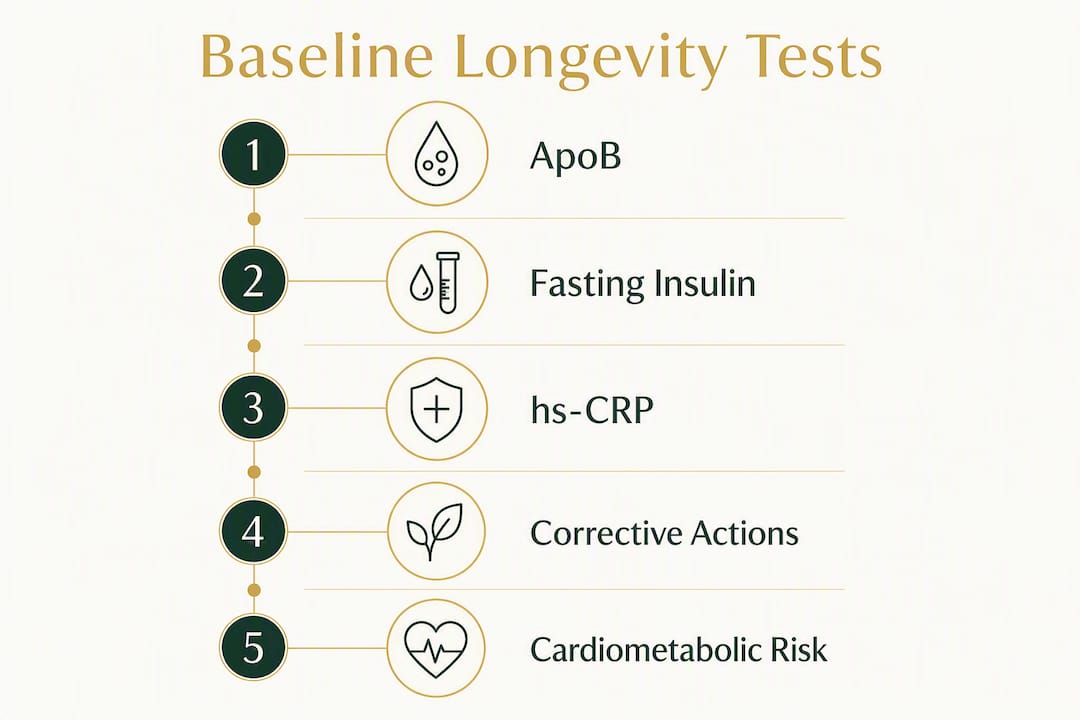
Pro Tip: Bring this table to your physician and request a longevity-focused panel. Many of these tests are covered under preventive care when framed correctly. Ask specifically for ApoB and fasting insulin, which standard panels often omit.
How should you eat to support cognitive clarity and healthy longevity?
The dietary pattern with the strongest combined evidence for brain health and longevity is whole-food, plant-forward, and protein-adequate. That means 1.6–2.2 g of protein per kilogram of body weight daily, at least 30–40 g of fiber, Mediterranean-style fats from olive oil and nuts, and a heavy emphasis on polyphenol-rich vegetables, berries, and legumes. Ultra-processed food and added sugar are the primary dietary threats to both metabolic health and cognitive function.

Meal timing matters as much as food quality for mental clarity. A minimum 12–14 hour overnight fast gives the brain a metabolic reset and supports glymphatic clearance, the brain’s waste-removal system that operates primarily during sleep. An earlier eating window, roughly 8–10 hours starting with a protein-rich breakfast, concentrates calories when insulin sensitivity is highest and supports circadian alignment.
Practical dietary rules for clarity:
- Distribute protein across 3–4 meals (30–50 g per meal) rather than loading it at dinner
- Use olive oil as your primary cooking fat; add walnuts, almonds, or flaxseed daily for omega-3s
- Eat at least two servings of fatty fish per week (salmon, sardines, mackerel) for EPA+DHA
- Prioritize polyphenol-dense foods: blueberries, dark leafy greens, green tea, dark chocolate (85%+)
- Finish your last meal at least 3 hours before bed to protect sleep quality and overnight metabolic repair
Hydration is a fast-acting clarity lever. Even mild dehydration impairs attention and executive function. The 400–500 ml on waking protocol is your first daily cognitive investment. After that, aim for consistent intake throughout the morning and taper slightly in the evening to avoid sleep disruption.
Caffeine timing is where most people lose clarity they think they are gaining. Consuming caffeine within 6–8 hours of your planned sleep onset blocks adenosine receptors and degrades sleep quality even when you feel like you slept fine. Use coffee strategically: one cup within 90 minutes of waking (not immediately, to let cortisol peak naturally), and a second cup before noon if needed.
Gut microbiome and cognitive function are more tightly linked than most longevity protocols acknowledge. The gut-brain axis runs bidirectionally through the vagus nerve, and dysbiosis correlates with elevated neuroinflammation. Build microbiome diversity with 30+ different plant foods per week, fermented foods daily (kefir, kimchi, sauerkraut), and prebiotic vegetables (garlic, leeks, asparagus, onions). Probiotic supplementation is worth considering after antibiotic use or when fermented food intake is consistently low.
Pro Tip: Alcohol accelerates biological age on DNA methylation clocks more than most people realize. If you drink, keep it to fewer than 3 units per week and never within 3 hours of bed.
What exercise prescription actually preserves cognition and extends healthspan?
Zone 2 aerobic training combined with resistance work is the most evidence-supported physical intervention for longevity. Zone 2 means a conversational pace where you could speak in full sentences but would not want to sing. Target 180–300 minutes per week distributed across 3–5 sessions. This range drives mitochondrial biogenesis, improves insulin sensitivity, and supports cerebrovascular health, all of which translate directly to sustained mental clarity.

Add one or two high-intensity VO2 max intervals per week. These sessions, typically 4–6 minutes at near-maximal effort with equal rest, push cardiac output adaptations that Zone 2 alone cannot reach. VO2 max is the single strongest predictor of all-cause mortality in the research literature, and it is trainable at any age.
Resistance training 2–3 times per week using compound movements (squat, deadlift, press, row, carry) preserves muscle mass, bone density, and neurological drive. Muscle is metabolically active tissue that buffers glucose, produces myokines with neuroprotective effects, and maintains the physical reserve that determines functional independence in later decades.
A sample training week:
- Monday: 45-minute Zone 2 run or cycling (conversational pace)
- Tuesday: Full-body resistance training, 3–4 compound movements, 3 sets of 6–10 reps
- Wednesday: 30-minute Zone 2 walk plus balance and coordination drills (single-leg work, agility ladder, novel movement patterns)
- Thursday: 45-minute Zone 2 aerobic session
- Friday: Resistance training, upper/lower split or full body
- Saturday: 60-minute Zone 2 session plus one VO2 max interval block (4 x 4 minutes hard, 4 minutes easy)
- Sunday: Active recovery, 20–30 minute walk, mobility work
Cognitive-specific movement deserves its own emphasis. Balance drills, dual-task training (walking while reciting sequences), and learning novel physical skills (a new sport, dance, or martial art) stimulate neuroplasticity through mechanisms that steady-state cardio does not. These activities challenge the cerebellum and prefrontal cortex simultaneously, which supports executive function and processing speed.
Beginners: scale safely. Start with three 20-minute Zone 2 walks per week and two bodyweight resistance sessions. Add 10% volume per week. Soreness that prevents normal movement is a signal to reduce load, not push through.
Pro Tip: Non-exercise activity thermogenesis (NEAT) — standing, walking between tasks, taking stairs — contributes meaningfully to daily metabolic flux and cognitive alertness. Aim for 7,000–10,000 steps per day as a baseline target independent of your structured workouts.
How do sleep timing and light exposure protect your brain long-term?
Consistent sleep timing and morning sunlight are the two most underrated interventions in any mental clarity longevity protocol guide. Not because they are new ideas, but because neuroscience-based protocols consistently weight them above advanced supplements for maintaining cognitive function. The reason is mechanistic: circadian rhythm integrity governs cortisol timing, melatonin release, glymphatic clearance, memory consolidation, and neuroinflammatory regulation. Disrupt the rhythm and every other intervention becomes less effective.
Targets: 7.5–9 hours per night for most adults, with bedtime variance under 30 minutes across the week. Consistent timing often outweighs small variations in total sleep duration for neuroplasticity and long-term dementia risk reduction. Your brain’s repair processes are time-locked, not just duration-dependent.
Daily light and sleep protocol:
- Get bright outdoor light (or a 10,000 lux light therapy lamp) within 30–60 minutes of waking to anchor your circadian clock
- Seek 10–15 minutes of midday outdoor exposure to maintain serotonin and vitamin D synthesis
- Begin dimming indoor lights 2 hours before bed; use warm-spectrum bulbs or candlelight
- Keep your bedroom at 65–68°F, fully dark, and quiet (or use white noise)
- Avoid alcohol within 3 hours of bed; it fragments sleep architecture even when it helps you fall asleep faster
- Treat suspected sleep apnea immediately. Untreated apnea is one of the fastest accelerators of cognitive decline and biological aging
Sleep architecture and its relationship to longevity goes deeper than most people investigate. Slow-wave sleep is when growth hormone peaks and cellular repair accelerates. REM sleep is when emotional memory consolidation and synaptic pruning occur. Both are disrupted by late-night eating, alcohol, blue light exposure, and inconsistent timing. Fix the timing and environment first; the architecture tends to follow.
Which stress-reduction techniques actually move the needle on biological aging?
Chronic stress is not just a mood problem. It drives cortisol dysregulation, shortens telomeres, elevates hs-CRP, and accelerates epigenetic aging. The TIMELESS Emotional layer addresses exactly this: stored trauma and nervous-system dysregulation are biological aging accelerants that no supplement can offset.
High-yield daily practices:
- 10–20 minutes of NSDR (non-sleep deep rest) or yoga nidra in the early afternoon for parasympathetic restoration
- 4-7-8 breathwork (inhale 4 counts, hold 7, exhale 8) before high-stress situations and before bed
- Brief mindfulness or focused-attention training, even 10 minutes daily, reduces amygdala reactivity over weeks
- Regular psychotherapy or somatic work when chronic stress has a clear psychological root; this is not optional for durable change
HRV (heart rate variability) is your most accessible objective stress marker. A declining HRV trend over 5–7 days signals accumulated stress load before you consciously feel it. Track it with a wearable (Garmin, Polar, Whoop, or Apple Watch) and use it as a decision tool: low HRV means reduce training intensity and add recovery, not push harder.
Sauna use shows strong observational mortality benefits outside of smoking avoidance. Regular sessions with elevated temperatures lasting moderate durations support cardiovascular adaptation, heat shock protein expression, and parasympathetic recovery. Cold exposure (cold showers or plunges at cool temperatures for a few minutes) complements sauna by activating norepinephrine release and improving mood and alertness. Both are low-cost, high-yield recovery tools with near-zero downside for healthy adults.
Social connection is a longevity variable that most protocols treat as optional. The data says otherwise. Chronic loneliness elevates inflammatory markers comparably to smoking 15 cigarettes per day, according to research cited by Harvard Health. Deliberate social contact, whether through community, group exercise, or regular meaningful conversation, belongs in the protocol alongside breathwork and sleep.
Pro Tip: A 10-minute brain dump before bed, writing every unresolved thought onto paper, reduces pre-sleep cognitive arousal and shortens sleep onset time. Pair it with 4-7-8 breathing for a compound wind-down effect.
What supplements have real evidence for mental clarity and longevity?
Supplements are optimizations, not foundations. Correct documented deficiencies first. A person with a vitamin D level of 18 ng/mL will get more cognitive benefit from correcting that deficiency than from adding any nootropic stack. The same logic applies to omega-3 index, magnesium, and B12.
| Supplement | Evidence Tier | Dosing Range | Key Caution |
|---|---|---|---|
| Creatine monohydrate | Tier 1 (robust human evidence) | 5 g/day with food | Benign; may increase serum creatinine on labs |
| Omega-3 EPA+DHA | Tier 1 | 1–3 g/day titrated to omega-3 index 8–12% | Blood-thinning at high doses; check index before dosing |
| Magnesium glycinate | Tier 1 | 300–400 mg elemental/day | Loose stools at high doses; take with dinner |
| Vitamin D3 + K2 | Tier 1 | 1,000–4,000 IU/day titrated to 40–60 ng/mL | Test vitamin D status before and after supplementation |
| Methylfolate + methyl B12 | Tier 1 (for elevated homocysteine) | Physician-guided dosing | Check MTHFR status; avoid folic acid in MTHFR variants |
| Citicoline (CDP-choline) | Tier 2 (promising human data) | Magnesium supplementation to correct deficiency | Generally well tolerated; limited long-term data |
| Low-dose lithium (as orotate) | Tier 2 (emerging evidence) | 1–5 mg/day | Experimental; physician supervision required |
| Rapamycin (low-dose intermittent) | Tier 3 (experimental) | Physician-supervised only | Immune suppression risk; not for self-administration |
Creatine monohydrate at 5 g/day is the single most evidence-supported supplement for both muscle and cognitive function. It improves working memory, reduces mental fatigue, and supports resistance training adaptation with minimal downside. If you add nothing else, add creatine.
Supplements to use cautiously or avoid:
- High-dose antioxidants (vitamin C above 1 g/day, vitamin E above 400 IU/day) may blunt exercise adaptation
- Melatonin above 0.5 mg/night can suppress endogenous production; use the lowest effective dose
- Testosterone or hormone replacement only for confirmed deficiency under physician supervision
- Any “proprietary blend” nootropic without disclosed dosing
Pro Tip: Non-supplement interventions often outperform supplements for mental clarity. Before adding a new pill, ask whether the same outcome could come from fixing sleep, protein intake, or hydration first.
How do you track progress and know when to adjust the protocol?
Monitoring without a decision framework is just data collection. The goal is to know, at each checkpoint, whether to maintain, escalate, or pivot.
Retesting cadence:
- Core bloodwork (ApoB, fasting insulin, hs-CRP, HbA1c, lipid panel, sex hormones, thyroid): every 6–12 months
- Omega-3 index and vitamin D: 3 months after initiating supplementation, then annually once stable
- VO2 max and DEXA: annually
- Grip strength: annually
- DNA methylation / biological age (TruAge): annually, or semi-annually for active protocol participants
- Any pharmaceutical or experimental agent (rapamycin, hormone therapy): targeted labs every 3 months minimum
Cognitive tracking tools:
- Weekly subjective clarity log (rate focus, mood, energy, and sleep quality on a 1–10 scale each morning)
- HRV daily trend via wearable
- Monthly computerized cognitive test (Cambridge Brain Sciences or similar) for objective tracking
- Activity minutes and sleep score as daily proxies
Decision rules:
- Marker improves: maintain current intervention, slow retesting to the standard cadence
- Marker is stable but suboptimal: add one targeted intervention, retest in 3 months
- Marker worsens: escalate to clinician review, re-run the weakest-link analysis, and re-prioritize
The monitoring timeline looks like this: establish a baseline at month 0, run targeted labs at month 3 for supplements, do a full panel at month 6, and complete a comprehensive review including VO2 max, DEXA, grip strength, and DNA methylation at month 12. That 12-month arc gives you enough data to see whether the protocol is actually moving your biological age.
Tracking cellular aging markers through DNA methylation testing is the most objective way to verify whether your protocol is working at the epigenetic level. Subjective clarity improvements are real, but they are not proof of biological age reversal.
What does an optimized day look like for mental clarity and longevity?
Here is a concrete hour-by-hour template. Adapt it to your chronotype and work schedule; the principles matter more than the exact times.
Sample day (moderate chronotype, 6:30 AM wake):
- 6:30 AM: Wake at fixed time. Drink 400–500 ml water immediately.
- 6:45 AM: 10–20 minutes outdoor bright light exposure (walk outside or sit near a window).
- 7:00 AM: Take vitamin D3 + K2 with a small amount of fat. Delay caffeine until 8:00 AM.
- 7:15 AM: High-protein breakfast (30–50 g protein): eggs, Greek yogurt, or a protein shake with berries and flaxseed.
- 8:00 AM: First coffee. Begin first deep-work block (90 minutes, phone off, single task).
- 9:30 AM: Short break, 5-minute walk or light movement.
- 9:45 AM: Second deep-work block (60–90 minutes).
- 11:30 AM: Zone 2 aerobic session (30–45 minutes at conversational pace) or resistance training session.
- 12:30 PM: Lunch emphasizing protein (30–50 g), fiber-rich vegetables, and healthy fat. Take creatine (5 g) and omega-3 (1–3 g) with this meal.
- 1:30 PM: 10–20 minute NSDR or eyes-closed rest. No screens.
- 2:00 PM: Afternoon cognitive work or meetings.
- 5:00 PM: Last meal of the day (protein-forward, moderate carbohydrates). Take magnesium glycinate (300–400 mg) with dinner.
- 7:00 PM: Begin light dimming. No caffeine after this point.
- 8:30 PM: Wind-down routine: brain dump, 4-7-8 breathing, light reading (no screens).
- 9:30 PM: Bedroom at 65–68°F, fully dark. Sleep.
Supplement and meal timing table:
| Supplement | When to Take | With or Without Food |
|---|---|---|
| Vitamin D3 + K2 | Morning | With fat-containing meal |
| Creatine monohydrate (5 g) | Lunch | With any meal |
| Omega-3 EPA+DHA (1–3 g) | Lunch | With fat-containing meal |
| Magnesium glycinate (300–400 mg) | Dinner | With food |
| Methylfolate + methyl B12 | Morning | With or without food |
Chronotype adaptations: Night owls should shift every time block 60–90 minutes later and prioritize the morning light exposure even more aggressively, since their natural melatonin offset is delayed. Early risers can compress the evening wind-down and move the last meal earlier. The non-negotiables are the fixed wake time, the morning light, and the caffeine cutoff.
Where should you start? The weakest-link prioritization checklist
Most people fail at longevity protocols not because they lack information but because they start in the wrong place. Chasing the latest supplement while sleeping 5 hours and skipping exercise is the most common and most expensive mistake in this space.
Order of operations checklist:
- [ ] Fix sleep timing first: set a fixed wake time and hold it for 14 days before changing anything else
- [ ] Build consistent movement: three Zone 2 sessions and two resistance sessions per week before adding complexity
- [ ] Fix protein and meal timing: hit 1.6–2.2 g/kg/day distributed across meals; establish your eating window
- [ ] Correct hydration and caffeine: 400–500 ml on waking, caffeine cutoff 6–8 hours before bed
- [ ] Run baseline labs: ApoB, fasting insulin, hs-CRP minimum; add omega-3 index and vitamin D
- [ ] Correct documented deficiencies: vitamin D, omega-3, magnesium before adding any nootropic
- [ ] Layer targeted supplements and recovery practices: creatine, sauna, cold exposure, HRV tracking
- [ ] Begin emotional and therapeutic work: NSDR daily, breathwork, therapy or somatic work as indicated
- [ ] Add energetic and spiritual practices: identity work, belief reframing, biofield practices
Quick wins by timeframe:
Within 24 hours: drink 400–500 ml water on waking, take a 20-minute brisk walk, set your fixed wake time. Within one week: consistent sleep timing produces measurable HRV improvement and subjective clarity gains for most people. Within four weeks: protein correction and Zone 2 training produce visible changes in energy, focus, and body composition.
Executives and professionals with constrained schedules often ask which single change delivers the fastest return. The answer is almost always sleep timing, not a supplement. Fix the foundation, then build.
Pro Tip: If you have two abnormal biomarkers, fix the one with the highest cardiovascular or neurological risk first. Elevated ApoB and fasting insulin together signal metabolic dysfunction that undermines every other intervention. Address them before optimizing anything else.
How does the TIMELESS four-layer protocol map onto this guide?
Most longevity protocols address one layer of aging: the physical. They optimize sleep, exercise, and nutrition, and they stop there. Aging is a four-layer problem. The TIMELESS framework, built on 15 years of research and tested across thousands of practitioners in 40 countries, addresses all four simultaneously.
The four layers and their protocol mappings:
| TIMELESS Layer | Definition | Protocol Actions | Objective Metrics |
|---|---|---|---|
| Physical | Cellular, epigenetic, mitochondrial | Sleep, Zone 2 + resistance training, protein-forward nutrition, targeted supplements, TRE | ApoB, hs-CRP, VO2 max, DEXA, DNA methylation (TruAge) |
| Emotional | Stored trauma, nervous-system dysregulation | NSDR, breathwork, somatic therapy, HRV biofeedback, trauma-aware psychotherapy | HRV trend, cortisol curve, subjective stress score |
| Spiritual | Identity and subconscious beliefs about aging | Belief reframing, identity work, purpose practices, community engagement | Subjective wellbeing, adherence rate, clarity log scores |
| Energetic | Bioelectric field, meridians | Biofield practices, meridian-focused interventions, breathwork, cold/heat contrast | HRV coherence, energy subjective score, sleep architecture |
The four-layer longevity protocol is not a metaphor. Each layer has measurable correlates and specific interventions. The Emotional layer, for example, maps directly to HRV, cortisol dysregulation, and inflammatory markers. Unresolved trauma keeps the nervous system in a chronic sympathetic state that no amount of creatine or Zone 2 training can override.
The self-guided path starts with the book, TIMELESS: Reverse Your Age, a 370-page blueprint that documents the complete four-layer system. The free guide at reverseyourage.org/14-upgrades gives you 14 prioritized upgrades mapped to the framework. The Vitality Intensive coaching program adds 1-on-1 guidance, lab integration, TruAge testing at baseline and 6 months, and access to the private community app.
Who is the TIMELESS program for? Adults aged 35–70 who are serious about reversing biological age, not just managing symptoms. People who want DNA-verified proof that the protocol is working, not just subjective improvements. The book is the right starting point for self-directed learners. The coaching program is for those who want the fastest, most accountable path with a money-back guarantee tied to lab results.
Do intermittent fasting variations beyond TRE improve brain health?
Time-restricted eating (TRE) is the most accessible fasting protocol, but the research on extended fasting variations reveals additional mechanisms worth understanding.
Alternate-day fasting (ADF) alternates between normal eating days and days of very low calorie intake (roughly 500 calories). Animal studies show robust increases in BDNF (brain-derived neurotrophic factor) with ADF, and BDNF is the primary growth factor for neuroplasticity and learning. Human data is more limited, but short-term trials suggest improvements in verbal memory and processing speed in overweight adults.
The 5:2 protocol (five normal days, two non-consecutive 500-calorie days per week) is more sustainable than ADF for most people and produces similar metabolic effects. Ketone production on fasting days provides an alternative fuel source for neurons that may be particularly beneficial when glucose metabolism is impaired, a common feature of early cognitive decline.
Extended fasting (24–72 hours) activates autophagy more aggressively than TRE alone. Autophagy is the cellular cleanup process that clears damaged proteins and organelles, including those implicated in Alzheimer’s pathology. However, extended fasting carries real risks: muscle catabolism, electrolyte imbalance, and refeeding complications. It belongs in the Experimental tier and requires physician oversight.
The practical hierarchy: start with a 12–14 hour overnight fast as your baseline. If metabolic health markers are suboptimal, extend to a 16:8 window. Consider 5:2 only after the foundation is stable and with adequate protein on eating days to protect muscle mass. Reserve extended fasting for supervised contexts.
Key Takeaways
A science-backed mental clarity longevity protocol requires fixing sleep timing and movement first, correcting documented deficiencies before adding supplements, and monitoring biomarkers to verify that the protocol is actually reversing biological age.
| Point | Details |
|---|---|
| Sleep timing is the foundation | Consistent wake time with under 30 minutes variance protects neuroplasticity more than any supplement. |
| Zone 2 plus resistance training | 180–300 min/week aerobic and 2–3 resistance sessions drive mitochondrial health and cognitive preservation. |
| Correct deficiencies before optimizing | Fix vitamin D, omega-3 index, and magnesium before adding any nootropic stack. |
| Monitor with biomarkers | Run ApoB, fasting insulin, and hs-CRP as your minimum trio; add TruAge DNA methylation annually. |
| Timeless - Reverse Your Age | The TIMELESS four-layer protocol addresses Physical, Emotional, Spiritual, and Energetic aging simultaneously, verified by TruAge DNA methylation testing. |
Why most longevity protocols fail at the layer that matters most
The conventional longevity protocol is a physical protocol. Sleep targets, VO2 max benchmarks, supplement stacks, bloodwork panels. All of it valuable. None of it complete.
My TruAge DNA methylation test confirmed a biological age of 23 at 41 years old. That result did not come from optimizing one layer. It came from working all four simultaneously, and the layer most people skip is the Emotional one. Stored trauma keeps the nervous system in a chronic low-grade threat state. Cortisol stays elevated. Inflammatory markers stay elevated. Sleep architecture degrades. No amount of Zone 2 training compensates for a nervous system that never fully recovers.
The second mistake I see constantly is chasing supplements before fixing foundations. Someone spending $400 per month on a nootropic stack while sleeping 6 hours and eating irregularly is not optimizing. They are papering over a structural problem with an expensive distraction. Creatine and omega-3s work. They work even better when sleep, protein, and stress regulation are already in place.
The third mistake is treating biological age as fixed. It is not. It is a program, and programs can be rewritten. The TruAge clock measures epigenetic methylation patterns that respond to the interventions in this guide. That is not a metaphor. That is measurable biology. The free guide at reverseyourage.org/14-upgrades is where I recommend starting, because it forces you to identify your weakest layer before adding anything new.
The TIMELESS book and Vitality Intensive: your guided path to DNA-verified age reversal
The protocol in this guide is real and it works. The question is whether you want to implement it alone or with a verified, guaranteed system behind you.
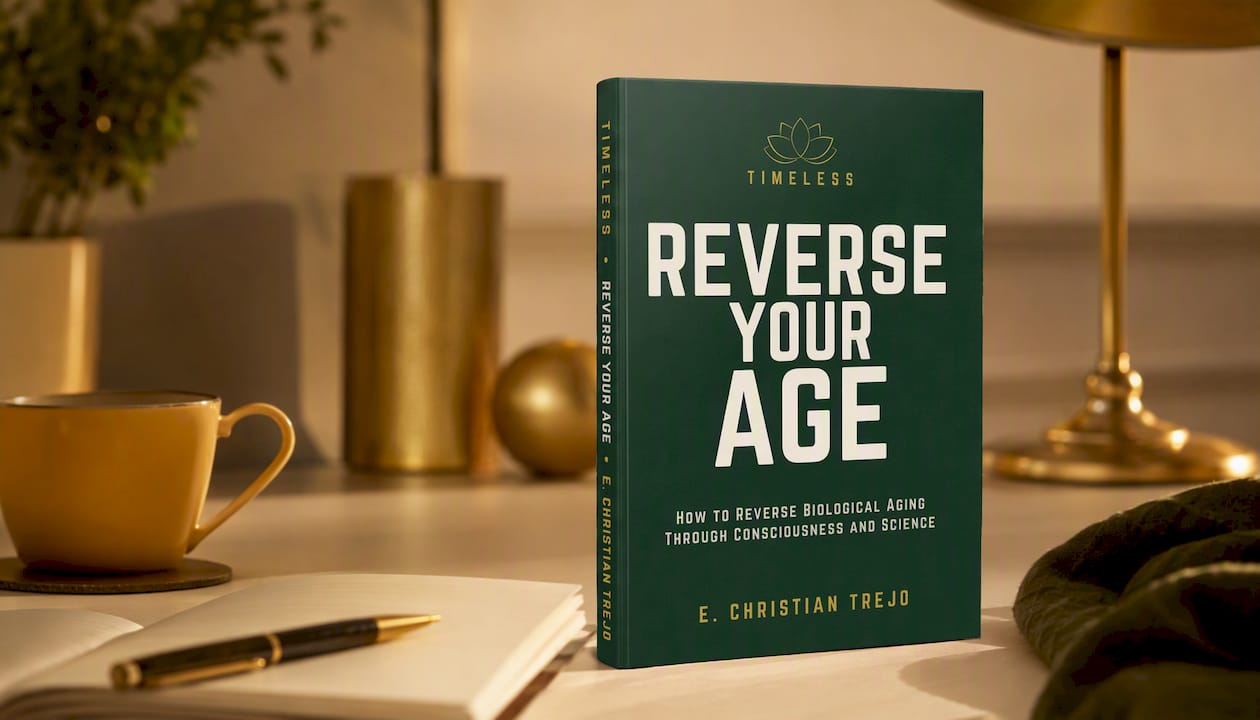
The TIMELESS: Reverse Your Age book ($29.99) is a 370-page blueprint that documents the complete four-layer protocol with the science, the implementation steps, and the monitoring framework. It is the most thorough self-guided resource in this space.
The free 14 Upgrades guide at reverseyourage.org/14-upgrades gives you a prioritized starting point in under 20 minutes.
For those who want the fastest, most accountable path: the TIMELESS Vitality Intensive is an 8-week private coaching program at $7,000, with 1-on-1 guidance, full lab integration, TruAge DNA methylation testing at baseline and 6 months, and access to the private community app and guided meditations. The guarantee is explicit: reverse your biological age by at least 10 years in 6 months, verified by TruAge testing, or receive a full refund. No other longevity program in the United States offers that level of scientific accountability.
To get started, pick up the book or download the free guide today. If you are ready for the coached, DNA-verified path, apply for the Vitality Intensive at reverseyourage.org.
Useful sources and further reading
The sources below back the key claims in this protocol. Each is annotated so you can follow up on the evidence that matters most to you.
| Source | Why It’s Relevant |
|---|---|
| Harvard Health: The 5 pillars of longevity | Clinician-reviewed framework for movement, nutrition, sleep, stress, and social connection as the five longevity pillars |
| IQ Healthspan: Evidence-based longevity protocol | Foundation/Optimization/Experimental tier framework; ApoB, fasting insulin, hs-CRP as priority biomarkers; creatine evidence |
| RecoveryStack: Longevity protocol daily routine | Zone 2 and resistance training dosing; sauna mortality data |
| Longetivities: Andrew Huberman longevity protocol | Circadian rhythm and morning light prioritization over supplements for cognitive function |
| Blog: How to improve mental clarity | Hydration and dehydration effects on attention and executive function |
| Wholeosophy: How to clear your mind | Brain dump, 4-7-8 breathing, and walking as rapid clarity tools |
| Harvard Health: Longevity lifestyle strategies | Broad longevity lifestyle evidence summary from Harvard Medical School |
| Stanford Medicine: Healthy habits for longevity in your 40s and 50s | Stanford expert recommendations for midlife longevity habits including muscle preservation |
Internal Timeless - Reverse Your Age resources for deeper implementation:
- Four-layer longevity protocol explained: the complete TIMELESS framework with layer-by-layer detail
- Why sleep architecture reverses aging: deep dive on sleep stages and biological age
- Reduce cellular aging markers: how TruAge methylation testing is used to verify protocol results
- Immune system aging reversal strategies: inflammation, hs-CRP, and immune aging context
FAQ
What are the best longevity protocols for mental clarity?
The highest-evidence protocols combine consistent sleep timing, Zone 2 aerobic plus resistance training, protein-adequate nutrition with time-restricted eating, and biomarker-guided supplementation. The TIMELESS four-layer protocol adds Emotional, Spiritual, and Energetic interventions that most physical-only protocols omit.
What are the five pillars of longevity?
Harvard Health identifies movement, nutrition, sleep, stress reduction, and social connection as the five foundational pillars. Clinicians recommend targeting your weakest pillar first for the greatest marginal gain.
Does intermittent fasting improve brain health?
Yes, with important nuance. Time-restricted eating (12–16 hours overnight) supports glymphatic clearance and metabolic health. Alternate-day fasting and 5:2 protocols show additional BDNF-related benefits in animal models and limited human trials. Extended fasting beyond 24 hours requires physician supervision.
How often should you retest biomarkers on a longevity protocol?
Core bloodwork every 6–12 months, omega-3 index and vitamin D at 3 months after supplementation, VO2 max and DEXA annually, and DNA methylation (TruAge) annually or semi-annually for active protocol participants.
What is the TIMELESS DNA-verified guarantee?
The TIMELESS Vitality Intensive guarantees a reversal of biological age by at least 10 years in 6 months, verified by TruAge DNA methylation testing, or every dollar is refunded. No other longevity program in the United States offers this level of scientific accountability.