Hormone Precursor Foods for Anti-Aging: What to Eat First
Unlock the secrets of anti-aging with hormone precursor foods! Discover key ingredients that boost hormone production and cellular repair.
Hormone Precursor Foods for Anti-Aging: What to Eat First
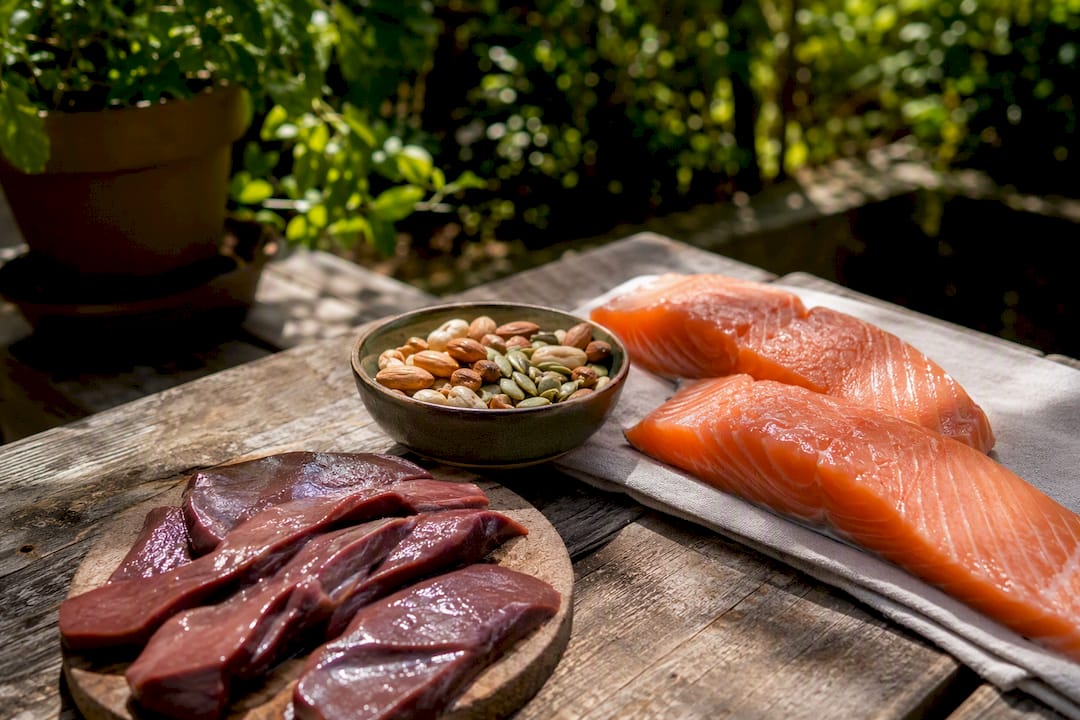
Nine food groups do the heaviest lifting for hormone production and cellular repair: fatty fish, egg yolks and organ meats, edible mushrooms, collagen and glycine sources, spermidine-rich foods, soy and bean sprouts, nuts and seeds, cruciferous vegetables, and polyphenol-rich berries. Each one supplies a specific biochemical raw material your body converts into steroid hormones, vitamin D, structural protein, or the molecular signals that regulate how fast you age.
Here’s the mechanism in plain terms. Cholesterol from fish and egg yolk becomes the backbone your body uses to build testosterone, estrogen, and cortisol. Ergosterol in mushrooms converts to vitamin D. Glycine and proline from collagen-rich foods feed skin and joint repair. Spermidine and polyphenols nudge nutrient-sensing pathways like SIRT and NAD+ that influence how your cells age. This is hormone precursor foods anti-aging at the level of actual biochemistry, not wellness marketing.
- Fatty fish (salmon, sardines, mackerel)
- Egg yolks and organ meats (liver, in moderation)
- Edible mushrooms (shiitake, maitake, portobello)
- Collagen and glycine sources (bone broth, gelatin)
- Spermidine-rich foods (wheat germ, natto, aged cheese)
- Soy and bean sprouts (coumestrol content)
- Nuts and seeds (selenium, zinc, magnesium)
- Cruciferous vegetables (broccoli, cauliflower, kale)
- Berries and polyphenol-rich plants
One caution before you change anything: if you have a hormone-sensitive condition, such as certain breast or prostate cancers, or you’re on hormone therapy, talk to your doctor before making major shifts, especially with soy and bean sprouts. Diet is powerful. It’s not a substitute for clinical judgment.
Key Takeaways
Hormone precursor foods supply the literal biochemical raw materials, cholesterol, ergosterol, amino acids, and regulatory polyphenols, that your body converts into hormones and repair tissue, but lasting biological-age reversal requires addressing the emotional, spiritual, and energetic layers alongside diet.
| Point | Details |
|---|---|
| Prioritize cholesterol-rich foods | Egg yolks, fatty fish, and organ meats supply the structural backbone for steroid hormone synthesis. |
| Don’t skip mushrooms | Cooked edible mushrooms provide ergosterol, a direct precursor to vitamin D that raw mushrooms deliver less efficiently. |
| Use soy and sprouts cautiously | Coumestrol in bean sprouts modestly raised testosterone in human research, but hormone-sensitive individuals should consult a doctor first. |
| Test before you overhaul your diet | A lipid panel, vitamin D level, and thyroid panel give you an objective baseline before major dietary shifts. |
| Diet alone plateaus | The TIMELESS four-layer protocol combines physical nutrition with emotional, spiritual, and energetic work for measurable biological-age reversal. |
Table of Contents
- Top Hormone Precursor Foods to Prioritize First
- The Biochemistry Behind Hormone Precursor Foods
- How to Add These Foods Safely
- Where Diet Fits Inside a Real Anti-Aging Protocol
- Recommended Daily Amounts for Anti-Aging Support
- Does Cooking Change Hormone Precursor Foods?
- Why “Precursor” Framing Beats Generic Anti-Aging Food Advice
- A Faster Path Than Piecing It Together Yourself
- Sources
- FAQ
Top Hormone Precursor Foods to Prioritize First
Not every food on this list deserves equal real estate on your plate. Some are foundational, some are supporting players, and a couple deserve a genuine caution flag. Here’s how to rank them by biochemical impact and practical ease.
1. Egg yolks and organ meats
Egg yolk is one of the most concentrated dietary sources of cholesterol, the literal molecule your body converts into progesterone, testosterone, estrogen, and cortisol through a cascade of enzymatic steps in your adrenal glands and gonads. Animal sterols in foods like egg yolk, liver, and fatty fish act as precursors for steroid hormones and vitamin D, which is why decades of “cut all dietary cholesterol” advice never quite made sense for hormone health.
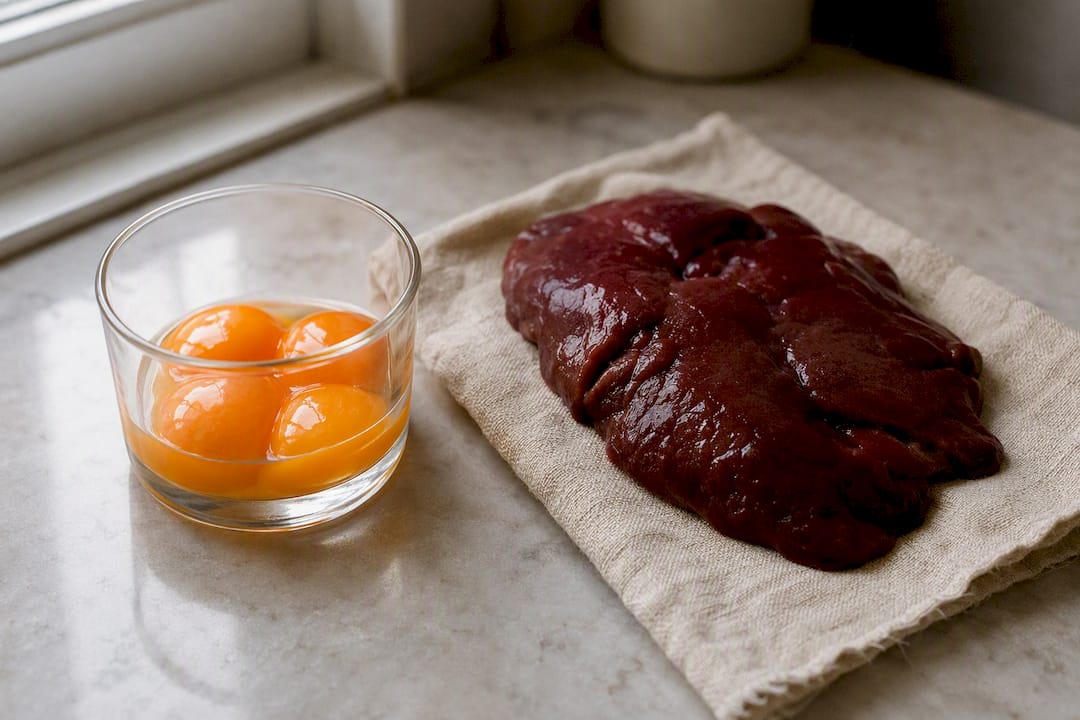
A moderate number of egg yolks per week works for most people with normal lipid profiles. Liver is denser still, loaded with retinol (preformed vitamin A), B12, and copper, but keep portions to 4 ounces once a week at most. Vitamin A accumulates in fat tissue, and megadoses carry real toxicity risk, particularly for anyone pregnant or trying to conceive.
2. Fatty fish and fish oil
Salmon, sardines, mackerel, and anchovies bring two things to the table at once: dietary cholesterol for hormone synthesis and omega-3 fatty acids that calm the inflammatory signaling known to accelerate cellular aging. Diets rich in oily fish and healthy fats support hormone production and metabolic health by supplying both the raw cholesterol and the micronutrients like selenium that hormone enzymes depend on.
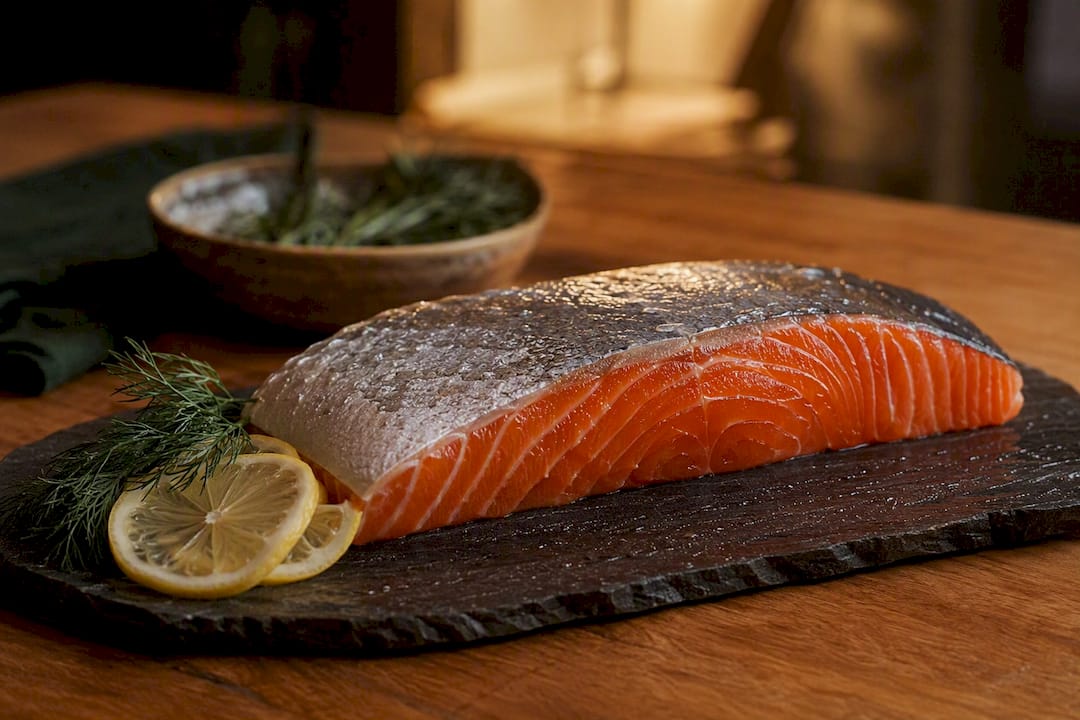
Aim for a few servings a week. If you’re on blood thinners, mention your fish intake to your prescriber. High omega-3 consumption can compound anticoagulant effects.
3. Edible mushrooms
Mushrooms are the most underrated item on this list. They contain ergosterol, a fungal sterol that, once exposed to UV light (either in the mushroom before harvest or in your own skin), converts into vitamin D. Ergosterols in edible mushrooms and fungi are precursors for vitamin D and feed into the same steroid-vitamin pathway that governs calcium regulation, immune function, and, indirectly, sex hormone balance, since vitamin D deficiency is consistently linked to lower testosterone in men.
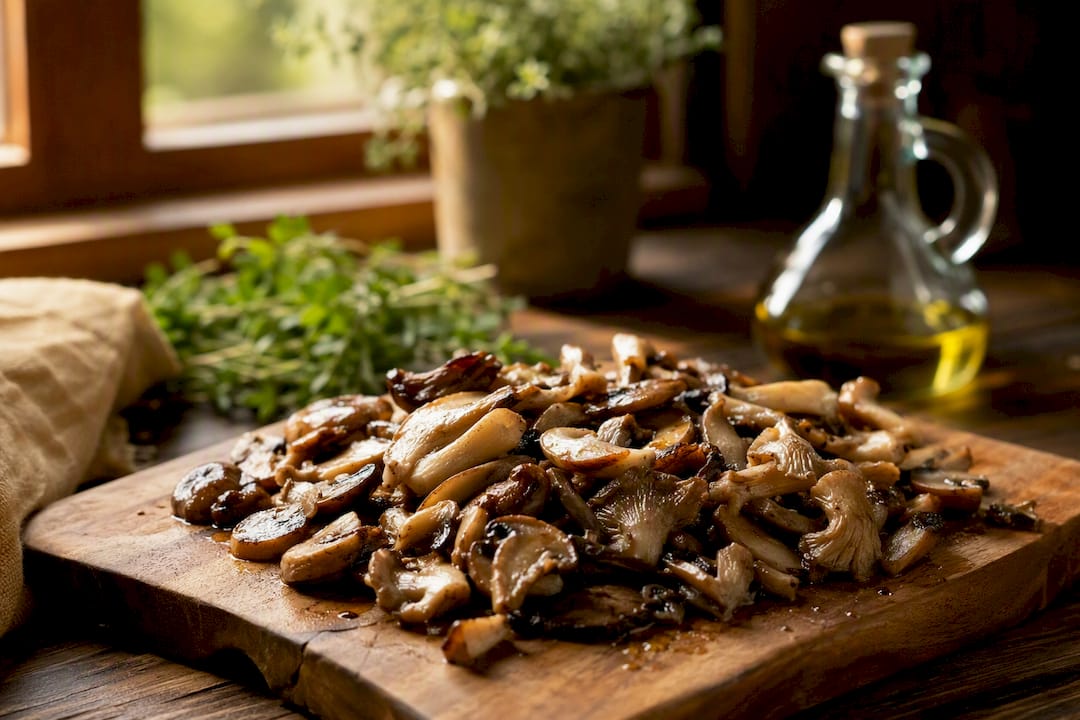
Cook mushrooms rather than eating them raw. Heat breaks down chitin in the cell walls and makes the ergosterol more bioavailable. A cooked cup of mushrooms several times a week is a reasonable target.
5. Spermidine-rich foods
Wheat germ, natto, and well-aged cheeses like Gouda or Parmesan carry meaningful concentrations of spermidine, a polyamine compound tied to autophagy, your cells’ internal recycling system that clears out damaged proteins and organelles. Spermidine-rich foods are associated with markers of cellular renewal in observational research, though human intervention trials are still catching up to the animal data.
Modest servings of wheat germ, natto, or aged cheese several times a week fit well. This is a rotation food, not a daily requirement.
6. Soy and bean sprouts
This is the entry that deserves the most nuance. Bean sprouts contain coumestrol, a phytoestrogen compound that has actually been shown to raise serum testosterone in men in controlled human research, not just animal models. A study on bean sprouts found coumestrol-rich sprouts increased testosterone levels modestly in humans, with more pronounced effects in animal studies suggesting a dose-dependent relationship.
That’s a genuinely interesting finding, and it cuts against the tired assumption that all phytoestrogens simply suppress male hormone levels. Still, if you have a hormone-sensitive condition, discuss soy and sprout intake with your doctor before increasing it. The evidence here is real but early, and “modest increase in one study” is not the same as “proven intervention.”
7. Nuts and seeds
Brazil nuts, pumpkin seeds, and sunflower seeds deliver selenium, zinc, and magnesium, three minerals your thyroid and gonadal hormone enzymes require to function. Zinc deficiency alone is well documented to blunt testosterone production, and diets adequate in these minerals support hormone-related metabolic health in ways that go beyond simple calorie or fat content.
One to two small handfuls a day cover most people’s needs without tipping into excess. Brazil nuts specifically should stay capped at two or three a day; selenium toxicity is a real, if rare, risk.
8. Cruciferous vegetables
Broccoli, cauliflower, kale, and Brussels sprouts contain glucosinolates, compounds that break down into indole-3-carbinol and diindolylmethane (DIM), both of which support how your liver metabolizes and clears excess estrogen. This matters for anti-aging in a way people rarely connect: unmetabolized estrogen recirculating in the body is linked to a cascade of downstream hormonal imbalances in both men and women.
Daily inclusion, even a modest half-cup serving, helps keep that estrogen clearance pathway working. This is one of the few items on this list where “more consistently, in smaller amounts” beats “occasionally, in large amounts.”
9. Berries and polyphenol-rich plants
Blueberries, blackberries, and other deeply pigmented produce carry polyphenols that appear to modulate the same nutrient-sensing pathways, SIRT and NAD+, that researchers associate with longevity and cellular resilience. Polyphenol-rich foods promote cellular processes tied to longevity, including reduced oxidative stress, though the human trial evidence is still less robust than the mechanistic and animal data.
A daily cup of mixed berries is an easy, low-risk addition. Unlike soy sprouts or liver, there’s essentially no downside scenario here for the general population.
The Biochemistry Behind Hormone Precursor Foods
Here’s what “precursor” actually means, because the word gets thrown around loosely. A hormone precursor is a molecule your body cannot manufacture from scratch in the quantities it needs, so it has to come from food, get absorbed, and then get converted through a specific enzymatic pathway into the active hormone or vitamin your cells use.
Cholesterol is the clearest example. Your adrenal cortex and gonads take cholesterol and run it through a series of enzyme conversions, first into pregnenolone, then down separate branches into progesterone, testosterone, estrogen, or cortisol depending on which tissue and which enzymes are active. This is why extremely low-fat, low-cholesterol diets sometimes correlate with lower sex hormone output in otherwise healthy people. The raw material simply isn’t there in sufficient supply.
Ergosterol works on a parallel but distinct track. Found in mushrooms and yeast, it converts to vitamin D2 when exposed to ultraviolet light, either during mushroom processing or after ingestion combined with your own sun exposure. Vitamin D then acts more like a hormone than a typical vitamin, binding to receptors throughout the body and influencing calcium regulation, immune signaling, and indirectly, sex hormone levels.
Collagen precursors follow a different logic entirely. Glycine and proline aren’t hormone precursors in the steroid sense. They’re structural precursors, the amino acid raw material your fibroblasts use to synthesize new collagen fibers. The connection to anti-aging is direct: less raw material available means slower collagen turnover, and slower turnover means the skin thinning and joint stiffness associated with visible aging show up sooner.
Polyphenols and plant sterols play a more indirect, regulatory role. Rather than becoming a hormone themselves, compounds in berries, green tea, and cruciferous vegetables appear to influence the activity of SIRT proteins and NAD+ availability, cellular machinery tied to how efficiently your cells repair DNA damage and manage energy metabolism. A recent Nature review on multi-omic approaches to aging notes that diet can meaningfully shift these pathways, but the review is also candid that translating lab and animal findings into predictable human outcomes remains incomplete.
That gap matters more than most nutrition content admits. The honest summary: cholesterol-to-steroid-hormone conversion is well-established human physiology. Ergosterol-to-vitamin-D conversion is well-established. Collagen precursor support for skin structure has solid mechanistic and observational backing. Polyphenol effects on SIRT/NAD+ pathways are real in mechanism but still maturing in human dose-response data, and the coumestrol-testosterone link in bean sprouts, while shown in actual human subjects, comes from a single study population and shouldn’t be treated as settled science yet.
How to Add These Foods Safely
Adding hormone precursor foods to your diet isn’t a free-for-all. A few practical guardrails keep the upside without creating new problems.
- Start with frequency, not quantity. Two to three fatty fish servings a week, 3 to 7 egg yolks a week, cooked mushrooms 3 to 4 times weekly, and a daily half-cup of cruciferous vegetables covers the core bases without overloading any single system.
- Cap liver at one modest portion weekly. A modest portion once a week helps keep vitamin A intake in a beneficial range instead of an accumulating one.
- Get baseline labs before making major changes. A lipid panel, vitamin D level, thyroid panel, and, if relevant, a sex hormone panel give you an actual before-picture instead of guessing. If you want a broader framework for tracking biological markers over time, a methylation-verified plan shows how objective testing changes the conversation from “I feel better” to “here’s the number.”
- Flag hormone-sensitive conditions before adding soy or bean sprouts. If you have a history of hormone-driven cancer or are on hormone-modulating medication, this is a conversation with your doctor, not a solo decision.
- Watch for interactions. High omega-3 intake alongside anticoagulant medication needs medical oversight. Vitamin A from liver is a hard no in excess during pregnancy.
Pro Tip: Whole foods almost always beat isolated supplements for this category, because the fiber, water, and companion nutrients in real food slow absorption and reduce the risk of the megadose problems that plague concentrated capsules. A tablespoon of wheat germ gives you spermidine with fiber attached. A spermidine supplement gives you a concentrated dose with none of the buffering.
Where Diet Fits Inside a Real Anti-Aging Protocol
Diet is one lever. It is not the whole machine. I’ve spent years verifying biological age with TruAge DNA methylation testing, and the pattern is consistent: people who eat well but ignore the other three layers plateau. Aging is a four-layer problem, and most approaches, including most “anti-aging food” advice, only ever touch one of them.
The TIMELESS four-layer protocol addresses:
- Physical: cellular, epigenetic, and mitochondrial health, where hormone precursor foods do their work
- Emotional: stored trauma and nervous system dysregulation that keep cortisol chronically elevated regardless of what you eat
- Spiritual: identity and subconscious beliefs about aging that shape behavior more than most people realize
- Energetic: the bioelectric field and meridian systems that influence cellular signaling
Diet modulates nutrient-sensing pathways like SIRT and NAD+, but a Nature review on multi-omic approaches to aging makes clear that durable biological-age reversal requires interventions across multiple biological layers simultaneously, not food changes alone.
Here’s what that looks like in practice. Someone eating a precursor-rich diet who is also chronically stressed keeps flooding their system with cortisol, which competes with the same cholesterol pool your body would otherwise use for testosterone and estrogen synthesis. Fix the emotional layer, and the physical layer’s hormone output improves without changing a single meal. That interaction is exactly why the full protocol in the TIMELESS book treats food as necessary but insufficient on its own.
A 3-Day Sample Rotation for Hormone Precursor Foods
Here’s a simple rotation that hits every core category without requiring a nutrition degree to plan.
- Day 1: Breakfast is scrambled eggs with sautéed shiitake mushrooms. Lunch is a big kale and broccoli salad with pumpkin seeds. Dinner is grilled salmon with a side of roasted Brussels sprouts. Snack on a cup of blueberries.
- Day 2: Breakfast is oatmeal with a tablespoon of wheat germ and berries. Lunch is a bone broth soup with vegetables. Dinner is sardines over greens with a small side of natto for those who enjoy it. Snack on a small handful of Brazil nuts and pumpkin seeds.
- Day 3: Breakfast is Greek yogurt with walnuts and berries. Lunch is a cauliflower and chickpea bowl. Dinner is mackerel with sautéed maitake mushrooms and steamed broccoli. Snack on aged cheese with a few crackers.
For vegetarians and vegans, swap fatty fish for algae-based DHA supplements, replace egg yolk and liver with fortified nutritional yeast for B vitamins, and lean harder on mushrooms, fermented soy like tempeh, and flaxseed for the omega-3 and sterol categories. Shop the frozen produce aisle for berries and cruciferous vegetables when fresh prices spike. Frozen retains most of the polyphenol content and cuts cost significantly.
Recommended Daily Amounts for Anti-Aging Support
There’s no single universal dose here, because these are foods, not standardized capsules, but reasonable targets exist. Fatty fish: 2 to 3 servings weekly, roughly 3 to 4 ounces each. Egg yolks: 3 to 7 weekly for most people with normal cholesterol markers. Mushrooms: a cooked cup, 3 to 4 times a week. Cruciferous vegetables: a half-cup to a full cup daily. Nuts and seeds: one to two small handfuls daily. Berries: about a cup daily. Collagen sources: 2 to 3 servings weekly. Spermidine-rich foods: a small serving, a few times a week, in rotation rather than daily.
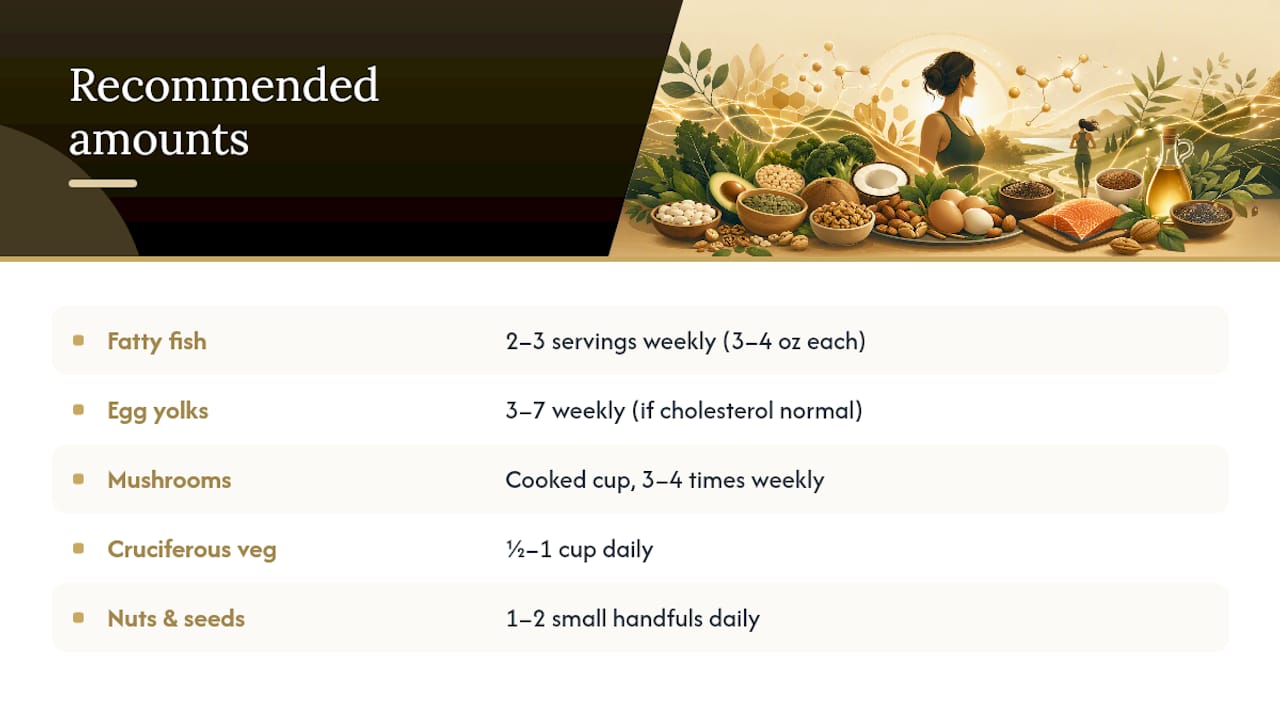
These numbers are starting points, not prescriptions. Someone with elevated LDL cholesterol should lean toward the lower end of the egg yolk range and discuss it with a physician. Someone recovering from an intense training program might benefit from the higher end of the collagen and omega-3 ranges. The goal is consistent inclusion across categories rather than maximizing any single food.
What matters more than hitting an exact number is variety across the week. A diet that includes five of these nine categories regularly outperforms one that maxes out two categories and ignores the rest, because each food group feeds a different piece of the hormone and repair machinery. Precursor nutrition works like a supply chain: a bottleneck in one raw material (say, zinc for testosterone-related enzymes) can limit output even when everything else is abundant.
Does Cooking Change Hormone Precursor Foods?
Cooking method changes nutrient availability more than most people expect, and not always for the worse. Mushrooms are the clearest case: cooking breaks down the chitin in fungal cell walls, making ergosterol and other nutrients considerably more bioavailable than eating them raw. Raw mushrooms are, biochemically speaking, a less useful source of their own key nutrient.
Eggs tell a mixed story. Overcooking yolks at high heat for extended periods can oxidize some of the cholesterol content, though the practical impact on hormone synthesis from typical home cooking (scrambled, soft-boiled, poached) is minimal. Gentler cooking preserves more of the fat-soluble vitamin content that travels alongside the cholesterol.
Bone broth benefits from a long, slow simmer, often 12 to 24 hours, because that extended cook time is exactly what breaks collagen down into the bioavailable gelatin and free amino acids your body actually absorbs. A quick 30-minute broth extracts far less glycine and proline than a proper slow simmer.
Cruciferous vegetables lose some glucosinolate content with heavy boiling, since these compounds are water-soluble and leach into cooking liquid. Light steaming or roasting preserves considerably more than boiling does. Berries and other polyphenol-rich produce are best eaten raw or lightly cooked, since prolonged high heat degrades a portion of their polyphenol content over time.
The practical rule: match the cooking method to the nutrient. Long, slow, and wet works for collagen extraction. Quick and light works for preserving delicate polyphenols and glucosinolates.
Why “Precursor” Framing Beats Generic Anti-Aging Food Advice
Most anti-aging food content lists the same ten superfoods with no explanation of what they actually do inside your body. That’s the gap this framing closes. When you understand that egg yolk supplies cholesterol for steroid synthesis, and mushrooms supply ergosterol for vitamin D, you stop treating food choices as folklore and start treating them as inputs to a specific biochemical process you can reason about.
Here’s where conventional advice falls short: it treats diet as the entire solution instead of one input among several. I’ve seen people obsess over precursor foods for months while sitting in chronic emotional stress that floods their system with cortisol, canceling out most of the hormonal benefit from the diet. The food matters. It’s not sufficient by itself.
If you’re serious about this, prioritize getting your baseline labs done first, then build precursor foods into your week consistently rather than perfectly. After that, look at the layers most people skip entirely: emotional regulation, identity beliefs about aging, and the energetic systems that influence how your cells respond to everything else you’re doing right.
— E. Christian Trejo
A Faster Path Than Piecing It Together Yourself
You could spend the next year reading PMC reviews, testing your own lipid panel, and guessing at how your emotional stress load is undercutting your hormone-precursor diet. Or you could use a protocol built specifically to connect those dots. Timeless - Reverse Your Age is the only program that addresses all four aging layers, physical, emotional, spiritual, and energetic, at the same time, instead of leaving you to figure out the other three on your own.

The 370-page book, Timeless: Reverse Your Age, walks through the full protocol for $29.99, including exactly where hormone precursor nutrition fits alongside the emotional and energetic work. If you want personalized guidance, the TIMELESS Vitality Intensive is an 8-week private coaching program at $7,000 that comes with a DNA-verified guarantee: 10 years of biological age reversal in 6 months, confirmed by TruAge methylation testing, or every dollar back. No other longevity program makes that claim with lab verification behind it.
Not ready for either? Start with the free guide covering 14 upgrades you can apply this week, no purchase required.
Sources
Bone broth, gelatin, and slow-cooked cuts with connective tissue deliver glycine and proline, the two amino acids that make up roughly half of collagen’s structure, as explained in The Role of Collagen in Aging: What You Need to Know. Collagen precursors and gelatin-rich foods support skin matrix maintenance and are linked in nutrition reviews to protection against the visible signs of skin aging, sagging, fine lines, and reduced elasticity, that come from collagen degradation over time.
This isn’t about drinking bone broth for a magic glow. It’s about giving your body the literal building blocks it needs to keep manufacturing collagen at a rate that offsets the natural decline that starts around your mid-twenties. A few servings a week, whether broth, a gelatin dessert, or slow-cooked cuts, is a workable baseline.
- Anti-Aging Activity and Modes of Action of Compounds from Natural Food Sources - PMC
- Nature review on multi-omic approaches to aging
- Study on bean sprouts and testosterone (MDPI)
FAQ
What is the most powerful anti-aging food?
No single food outperforms all others, but fatty fish stands out for delivering both cholesterol for hormone synthesis and omega-3s that reduce the inflammation linked to accelerated aging. Egg yolk is a close second for its concentrated steroid hormone precursor content.
What is the Japanese secret to anti-aging?
Traditional Japanese diets lean heavily on fermented soy foods like natto, oily fish, seaweed, and mushrooms, several of which appear in this article’s precursor list for their spermidine, omega-3, and ergosterol content. There isn’t one secret ingredient; it’s the consistent pattern of these foods eaten daily.
How can I look 10 years younger naturally?
Diet is one lever, focused on collagen precursors for skin structure and cholesterol-based foods for hormone balance, but visible age reversal tends to require addressing stress and nervous system dysregulation too, since chronic cortisol elevation undercuts hormone production regardless of what you eat. The TIMELESS four-layer protocol was built specifically to address physical, emotional, spiritual, and energetic factors together rather than diet alone.
What three foods fight wrinkles?
Bone broth and gelatin supply glycine and proline for collagen synthesis, fatty fish supplies omega-3s that calm inflammatory skin aging, and berries supply polyphenols tied to antioxidant defense against oxidative skin damage. None of these work as a one-time fix; they need consistent inclusion over months to show visible results.
Can food alone reverse biological age?
Diet meaningfully influences hormone precursor availability and nutrient-sensing pathways like SIRT and NAD+, but a Nature review on multi-omic aging research indicates durable biological-age reversal typically requires multi-layer intervention beyond nutrition alone. That’s the core reasoning behind combining precursor-rich eating with emotional, spiritual, and energetic work in an integrated protocol.