Rejuvenation After 50: A Practical, Science-Backed Plan
Discover how to rejuvenate after 50 with practical, science-backed strategies. Feel younger with targeted training and nutrition.
Rejuvenation After 50: A Practical, Science-Backed Plan
Yes. You can look and measurably feel younger after 50, but only if you target the right levers. Harvard Health places balance training, resistance work, screenings, and protein intake at the center of this decade for good reason: they produce trackable results, not just a feeling. TruAge DNA methylation testing now lets you measure biological age directly instead of guessing from the mirror. This week, prioritize two things:
- Start progressive resistance training, even two sessions of 20 minutes.
- Build every meal around a protein source before you add anything else.
Key Takeaways
Reversing functional and biological age after 50 requires resistance training, protein-forward nutrition, bone and hormone screening, and consistent measurement across all four layers of aging.
| Point | Details |
|---|---|
| Train for function, not just fitness | Combine resistance training with balance work three times weekly to slow sarcopenia and fall risk. |
| Hit your protein target | Aim for 1.0 to 1.2 g/kg of protein daily plus 25 to 30 g of fiber to preserve muscle and bone. |
| Screen bone and hormone health early | Ask about a DEXA scan and vitamin D or thyroid bloodwork if you are 50 or postmenopausal. |
| Protect skin with basics first | Daily SPF, retinoids, and ceramide moisturizers outperform expensive one-off treatments. |
| Address all four aging layers | The TIMELESS protocol pairs lifestyle change with TruAge DNA methylation tracking to verify measurable biological age reversal. |
Table of Contents
- Five Pillars of Rejuvenation After 50
- How Do You Train Safely After 50?
- What Should You Eat After 50 to Preserve Muscle and Bone?
- Why Does Bone Health Change So Fast After 50?
- What Actually Works for Skin After 50?
- Can You Really Improve Brain Health After 50?
- How Fast Will You See Results?
- Why Most Anti-Aging Protocols Fail: The Four-Layer Problem
- A Faster Path Than Trial and Error
- Sources
- FAQ
Five Pillars of Rejuvenation After 50
Real change after 50 comes from five interlocking pillars, not one miracle habit. Skipping one weakens the rest, which is exactly why most single-focus diets or workout plans stall out.
- Strength and functional movement rebuilds the Physical layer at the cellular and mitochondrial level.
- Diet and targeted supplementation feeds that same Physical layer while stabilizing energy, which touches the Energetic layer too.
- Bone and hormone vigilance protects against the silent structural losses menopause and andropause accelerate.
- Skin care and safe procedures address the visible signals people register first.
- Brain, sleep, and social health work the Emotional and Spiritual layers, the two most overlooked pieces of aging.
Pro Tip: If you only start one pillar this week, pick strength training. Three moves at home, squats, push ups against a counter, and single leg stands, take under 15 minutes and set up every other pillar to work better.
How Do You Train Safely After 50?
Progressive resistance training combined with balance work is the single most effective physical intervention for reversing functional aging. Stanford Medicine lists muscle-preserving exercise alongside increased protein intake as the top habit for longevity in your 50s, and the data backs it: without resistance work, sarcopenia advances regardless of how much cardio you log.
A simple three-day weekly structure works for most beginners:
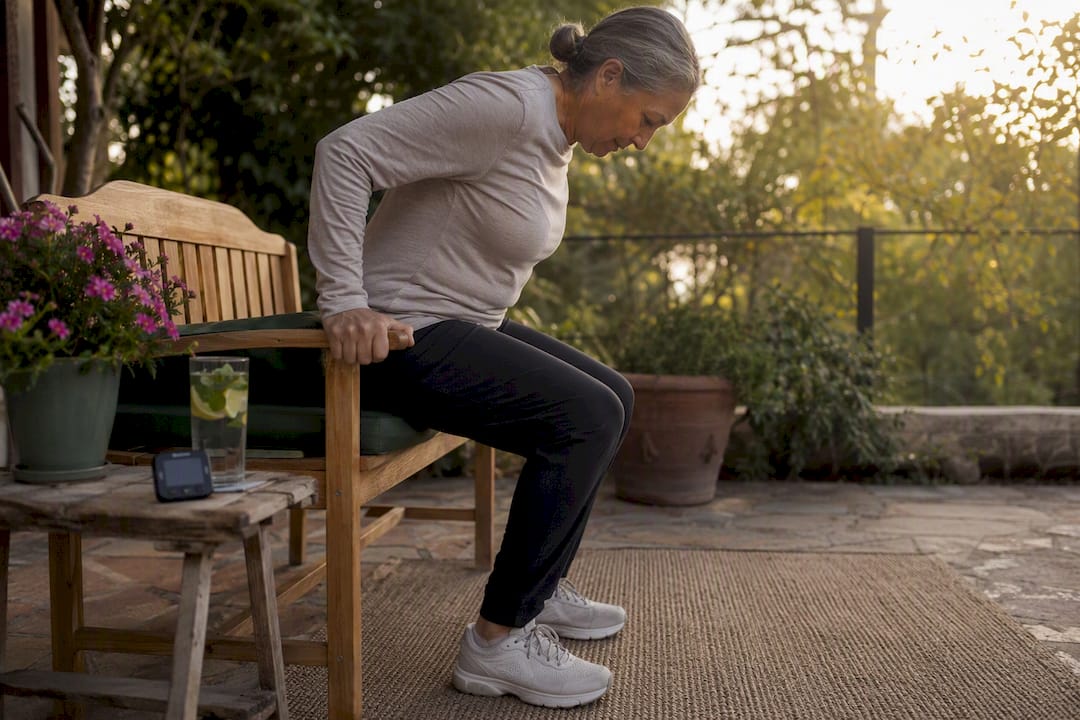
- Day one: full-body resistance, squats or sit-to-stand, rows, push variations, calf raises.
- Day two: 10 to 20 minutes of balance and fall-prevention drills, single-leg stands, heel-to-toe walking.
- Day three: mobility and flexibility work, chair yoga or dynamic stretching.
Safety matters as much as the plan itself:
- If you have joint pain, swap barbell squats for supported sit-to-stands and build load gradually.
- Get physician or physical therapist clearance if you have osteoporosis, recent surgery, or cardiovascular disease.
- Progress weight or resistance only when you can complete every rep with clean form.
For readers who cannot tolerate heavy loads, low-load blood flow restriction training offers a real alternative. Meta-analyses show it improves lower-limb strength and performance in older adults under proper supervision.
Pro Tip: Track your sit-to-stand count for 30 seconds. It is one of the simplest home tests of leg strength and functional age.
What Should You Eat After 50 to Preserve Muscle and Bone?
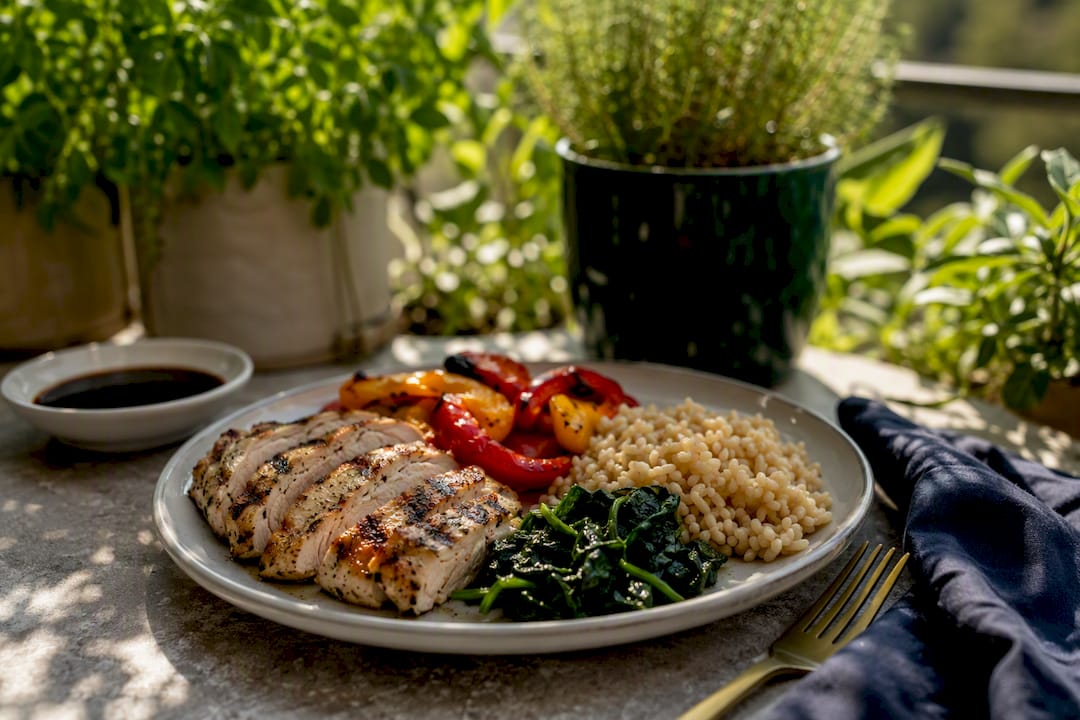
Your body needs more protein and more fiber after 50, not less, to hold onto the muscle and bone you already have. Research on nutrition and aging puts the target at roughly 1.0 to 1.2 grams of protein per kilogram of body weight daily, plus 25 to 30 grams of fiber.
In practice: a 70 kg adult needs an adequate amount of protein daily, spread across meals of protein-rich foods such as eggs, yogurt, chicken, legumes, fish, tofu, and fiber-rich foods like oats, berries, and leafy greens.
Calcium and vitamin D deserve equal attention, since bone density decline picks up speed in this decade. Most adults over 50 need calcium from food first, dairy, fortified plant milks, sardines, with vitamin D supplementation often recommended when sun exposure and diet fall short.
Supplements should support your diet, not replace it. A 2026 review found the strongest evidence when protein or collagen supplementation is paired with resistance training. Antioxidant supplement stacks alone showed mixed, inconsistent results.
Safety warning: if you take blood thinners, talk to your doctor before adding vitamin K or high-dose fish oil. Interactions are common and underreported.
Why Does Bone Health Change So Fast After 50?
Bone loss accelerates around 50, and for women going through menopause, the drop in estrogen speeds it up further. This is the decade to get ahead of it, not react to a fracture later.
Practical next steps:
- Ask your doctor about a DEXA scan if you have risk factors, a family history of osteoporosis, prior fractures, or you are postmenopausal.
- Get routine blood work checking vitamin D and thyroid function, since both influence bone and energy metabolism.
- Discuss bone-protective medications or clinician-guided hormone therapy if your screening results warrant it.
Hormone shifts after 50 do not stop at bone. They affect cardiovascular risk and metabolic regulation too, which is why some patients benefit from a conversation about hormone therapy with a qualified physician rather than guessing at supplements.
Pro Tip: Recurrent fractures, rapid unexplained bone loss, or severe menopausal symptoms are red flags. Do not wait for your annual physical, ask for a referral now.
What Actually Works for Skin After 50?
Daily sun protection and barrier support form the foundation of visible skin improvement, more than any single expensive serum. Harvard Health’s dermatology guidance confirms sunscreen, retinoids, and ceramide-rich moisturizers as the core routine that reduces spots and wrinkles over time.
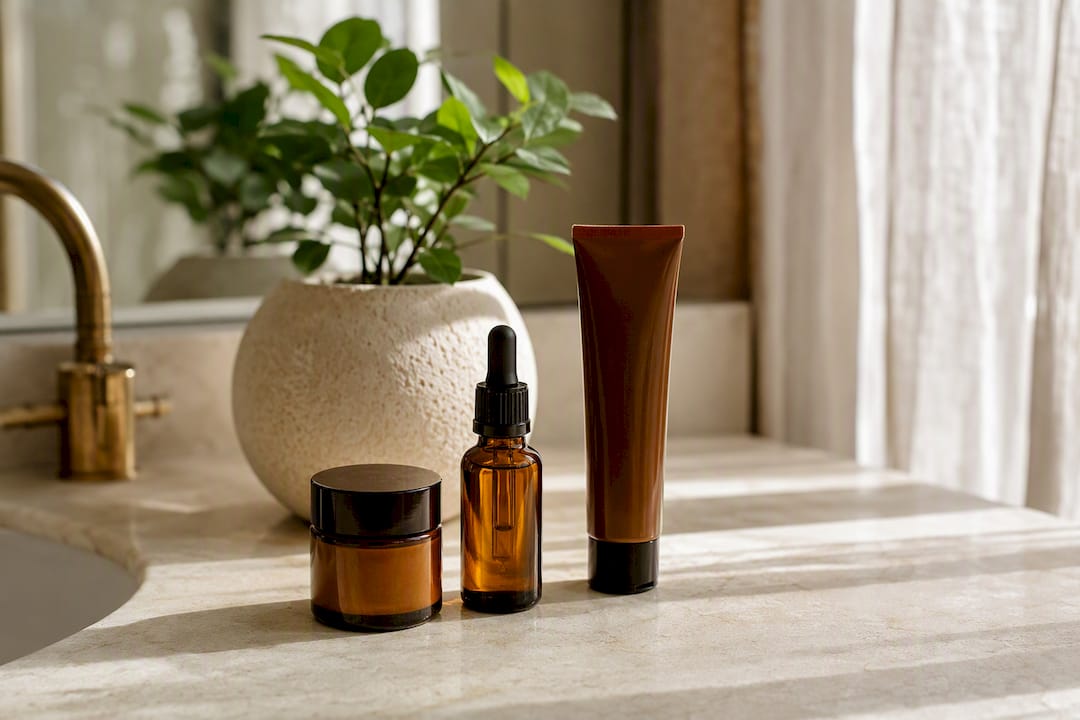
- Morning: antioxidant serum with vitamin C, then broad-spectrum SPF 30 to 50.
- Evening: a ceramide-rich moisturizer and a retinoid, starting low-dose to build tolerance.
- Expected timeline: most people notice texture changes in 8 to 12 weeks, with deeper line improvement taking longer.
For more advanced concerns, chemical peels, microneedling, laser resurfacing, fillers, and botulinum toxin are all established options. Good candidates are generally in stable health without active skin infections or certain autoimmune conditions. See a board-certified dermatologist before any procedure. Costs and recovery vary widely, and a proper consultation beats guessing from online reviews.
Can You Really Improve Brain Health After 50?
Building cognitive reserve and staying socially engaged are two of the most powerful, modifiable ways to protect your brain after 50. Harvard’s research shows cognitive reserve stays flexible well into this decade, delaying decline even when underlying neuropathology exists.
- Learn a genuinely complex new skill, a language or an instrument, not a passive hobby.
- Schedule structured social time weekly, not just occasional contact.
- Keep daily aerobic movement, even brisk walking counts.
- Build consistent sleep hygiene, same wake time daily.
- Practice stress reduction, breathwork or meditation, which works the Emotional and Spiritual layers alongside cognition.
- Pair a new skill with a social group, like a language class, and you double the benefit for the same time investment.
How Fast Will You See Results?
Skin hydration and plumpness can shift within days of better sun protection and moisturizing. Strength and balance gains typically show up in weeks. Measurable body composition and DNA methylation changes take months of consistent effort.
- Strength: track the 30-second sit-to-stand test weekly.
- Balance: time your single-leg stand, aim for steady improvement.
- Bone: DEXA scans or bone markers, retested per your doctor’s schedule.
- Biological age: TruAge DNA methylation testing, retested every few months to confirm progress.
- Visual: monthly photos and simple tape measurements.
Why Most Anti-Aging Protocols Fail: The Four-Layer Problem
Aging is a four-layer problem, and most programs address exactly one of them. TIMELESS treats Physical (cellular, epigenetic, mitochondrial), Emotional (stored trauma, nervous system dysregulation), Spiritual (identity and subconscious beliefs about aging), and Energetic (bioelectric field, meridians) as one interconnected system, which is why isolated diet or exercise plans plateau.
I built this protocol after 15 years of research and testing across 40 countries. My own TruAge DNA methylation result confirmed a biological age of 23 at 41 years old, verified, not estimated.
The complete four-layer protocol is documented across 370 pages in the TIMELESS book, and the 8-week Vitality Intensive delivers it through private coaching.
Reverse your biological age by at least 10 years in 6 months, verified by TruAge DNA methylation testing, or every dollar is refunded. No other longevity program puts that kind of accountability behind its results.
- Start with the book for the full self-study framework.
- Book a free vitality diagnosis call if you want personalized guidance.
- Involve your physician if you have existing cardiovascular, bone, or hormonal conditions before starting an intensive program.
A Personal Note on Practicing What I Teach
I did not design this protocol from a lab bench alone. I tested it on myself first, and my own DNA methylation results are the proof point I stake my credibility on. Pick one habit from this article. Track one metric. Start this month.
A Faster Path Than Trial and Error
Most anti-aging advice tackles one layer and leaves the other three untouched, which is why progress stalls even when you are doing “everything right.” Timeless - Reverse Your Age is built differently: it pairs the Physical, Emotional, Spiritual, and Energetic layers into one protocol, then verifies results with TruAge DNA methylation testing instead of asking you to take it on faith.
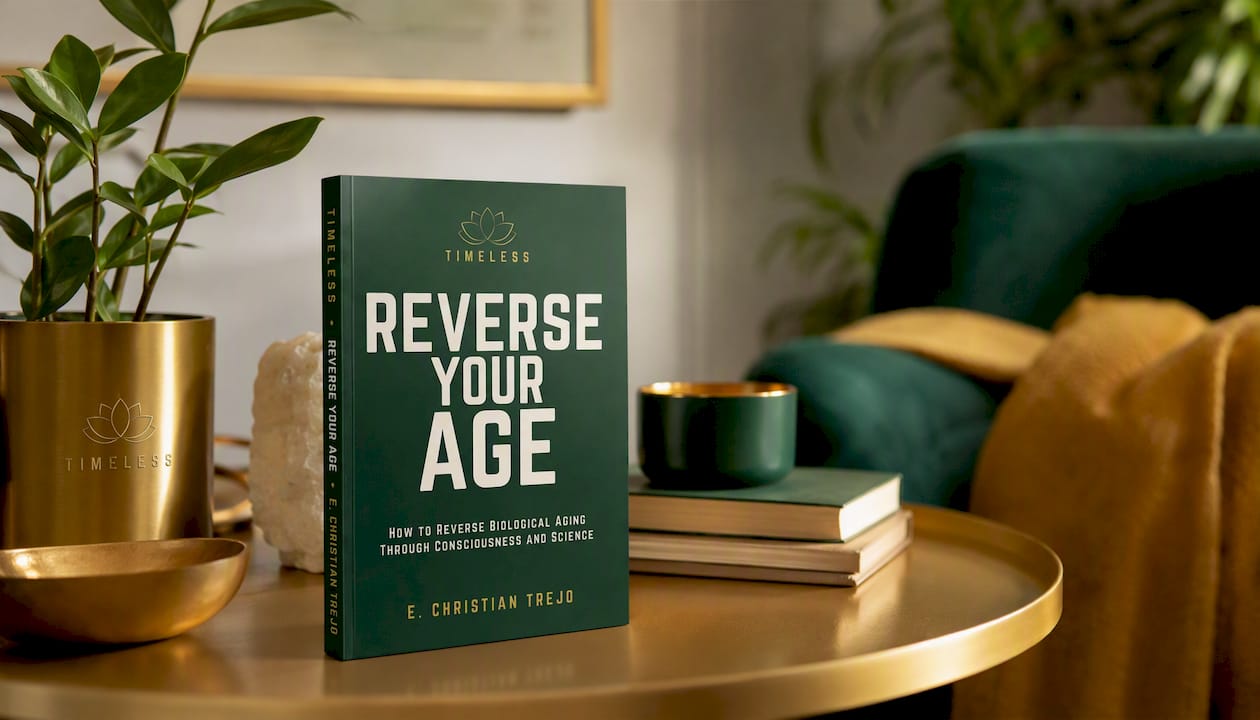
If you want the full framework to work through yourself, the TIMELESS book lays out all 370 pages of the protocol for $29.99. If you want it applied to your specific situation with a lab-verified outcome, the 8-week Vitality Intensive coaching program comes with a guarantee: reverse your biological age by at least 10 years in 6 months, or get a full refund. Start by grabbing the free guide with 14 upgrades you can apply this week, or book your free vitality diagnosis call to see where you stand.
This article is general information, not a substitute for advice from a qualified doctor. Consult a qualified healthcare professional about your own circumstances before acting on anything here.
Sources
- PMC article on nutrition and aging
- Beyond the milestone: Health goals for your 50s onward - Harvard Health
- Five healthy habits for longevity in your 40s and 50s - Stanford Medicine
- Lower-limb blood flow restriction training in older adults - 2026
FAQ
Can you actually reverse aging after 50?
Yes, targeted resistance training, protein-forward nutrition, and consistent screening produce measurable functional and biological age improvements, and TruAge DNA methylation testing can confirm the change.
How much protein do I need after 50?
Aim for roughly 1.0 to 1.2 grams of protein per kilogram of body weight daily, spread across meals, according to research on aging and nutrition.
What is the single best exercise for someone over 50?
Progressive resistance training, squats, rows, and push variations, paired with balance work, delivers the most consistent functional gains.
How long until I see visible skin improvement?
Most people notice texture changes within 8 to 12 weeks of consistent sunscreen, retinoid, and moisturizer use.
What makes the TIMELESS protocol different from other anti-aging programs?
It addresses all four layers of aging, Physical, Emotional, Spiritual, and Energetic, simultaneously, and backs its results with a DNA-verified guarantee no other longevity program offers.