
Lab Markers and Rejuvenation: What Your Results Actually Mean
Discover how lab markers reveal insights into biological aging. Learn to interpret your results for effective rejuvenation strategies.
Lab Markers and Rejuvenation: What Your Results Actually Mean
The lab tests that actually track biological aging are inflammation markers (hs-CRP, IL-6), metabolic markers (HbA1c, fasting glucose and insulin), an ApoB-inclusive lipid panel, liver and kidney function (ALT, AST, creatinine), thyroid panel, vitamin D, and sex hormones. Laboreredmények és fiatalodás go hand in hand once you understand that a single test tells you almost nothing. What matters is the trend across repeat testing, and pairing that trend with a validated biological age test like a TruAge DNA methylation clock.
Telomere length testing exists too, but it carries far more measurement noise than methylation clocks and rarely changes clinical decisions on its own. The right move is not to chase one number. It is to build a baseline, retest on a schedule, and bring a clinician into the loop before touching anything experimental.
Order these first:
- hs-CRP and fasting insulin (inflammation and metabolic stress)
- HbA1c and a lipid panel with ApoB
- Liver panel (ALT, AST, GGT) and kidney panel (creatinine, eGFR)
- Thyroid panel (TSH, free T4) and vitamin D (25-OH)
- A DNA methylation clock (TruAge) for a biological age baseline
Pro Tip: Draw your baseline labs and your first TruAge test in the same week. Comparing markers measured months apart makes it impossible to tell whether a change is real or just noise.
Key Takeaways
Biological age is best tracked through repeated testing of inflammation, metabolic, lipid, organ, and hormone markers alongside a validated DNA methylation clock like TruAge.
| Point | Details |
|---|---|
| Trends beat single values | Retest key markers on a schedule rather than reacting to one lab draw. |
| Prioritize five core panels | Start with hs-CRP, HbA1c, ApoB lipids, liver/kidney function, and TruAge. |
| Experimental methods stay unproven | Plasma exchange, senolytics, and reprogramming remain pilot-stage or preclinical. |
| Retest cadence depends on the marker | Metabolic markers shift in 3 months; epigenetic clocks need 6 to 12 months. |
| TIMELESS connects labs to four layers | Timeless - Reverse Your Age pairs TruAge testing with physical, emotional, spiritual, and energetic tracking under a DNA-verified guarantee. |
Table of Contents
- Laboreredmények és Fiatalodás: Reading the Markers That Matter
- Which Tests Actually Measure Biological Age?
- Do Experimental Rejuvenation Methods Actually Work?
- How Do You Build a Monitoring Plan With Your Clinician?
- Why Lab Snapshots Can Mislead You About Aging
- What TIMELESS Measures and Why
- Why Most Lab-Based Anti-Aging Advice Misses the Point
- Ready to Turn Your Lab Results Into a Plan?
- Sources
- FAQ
Laboreredmények és Fiatalodás: Reading the Markers That Matter
Every one of these markers measures a different piece of the aging puzzle, and reading them in isolation is where most people get lost.
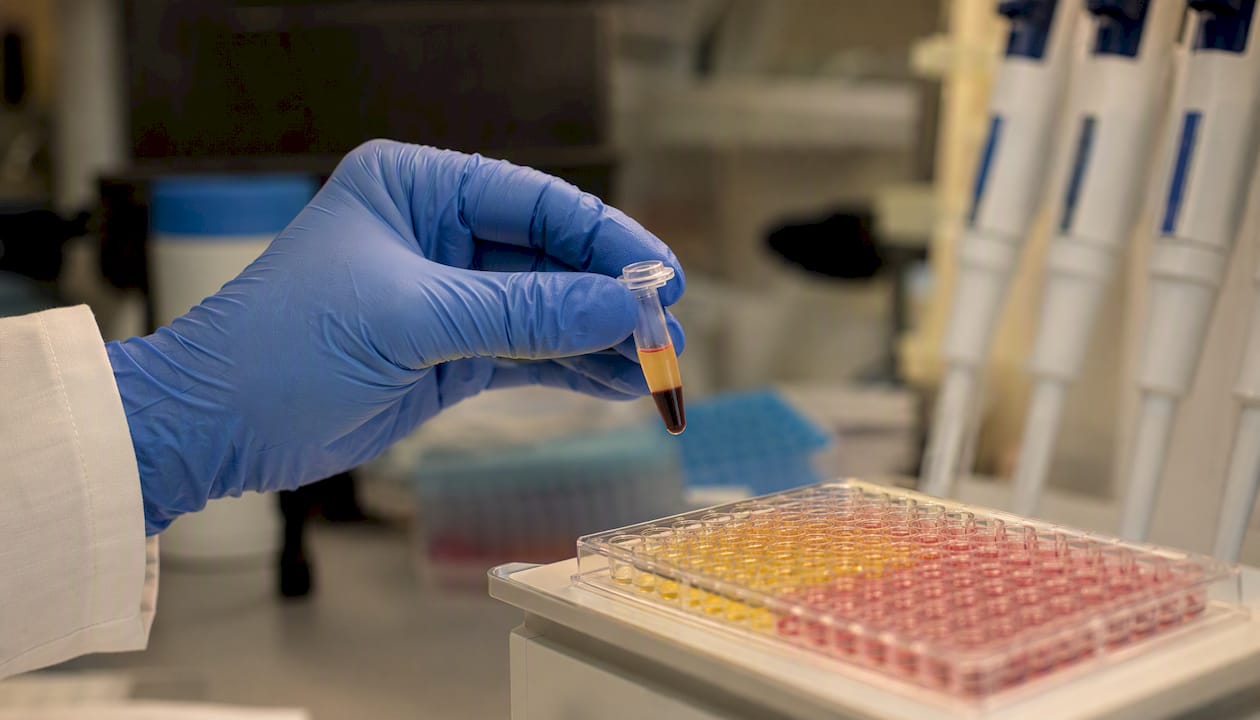
Hs-CRP and IL-6 measure systemic inflammation, the low-grade fire that drives what researchers call “inflammaging.” A hs-CRP above 3.0 mg/L, especially paired with elevated IL-6, points to chronic inflammatory load that accelerates vascular and metabolic decline. Recent infection, poor sleep, or an intense workout the day before your draw can all spike these numbers temporarily, so isolated readings deserve skepticism.
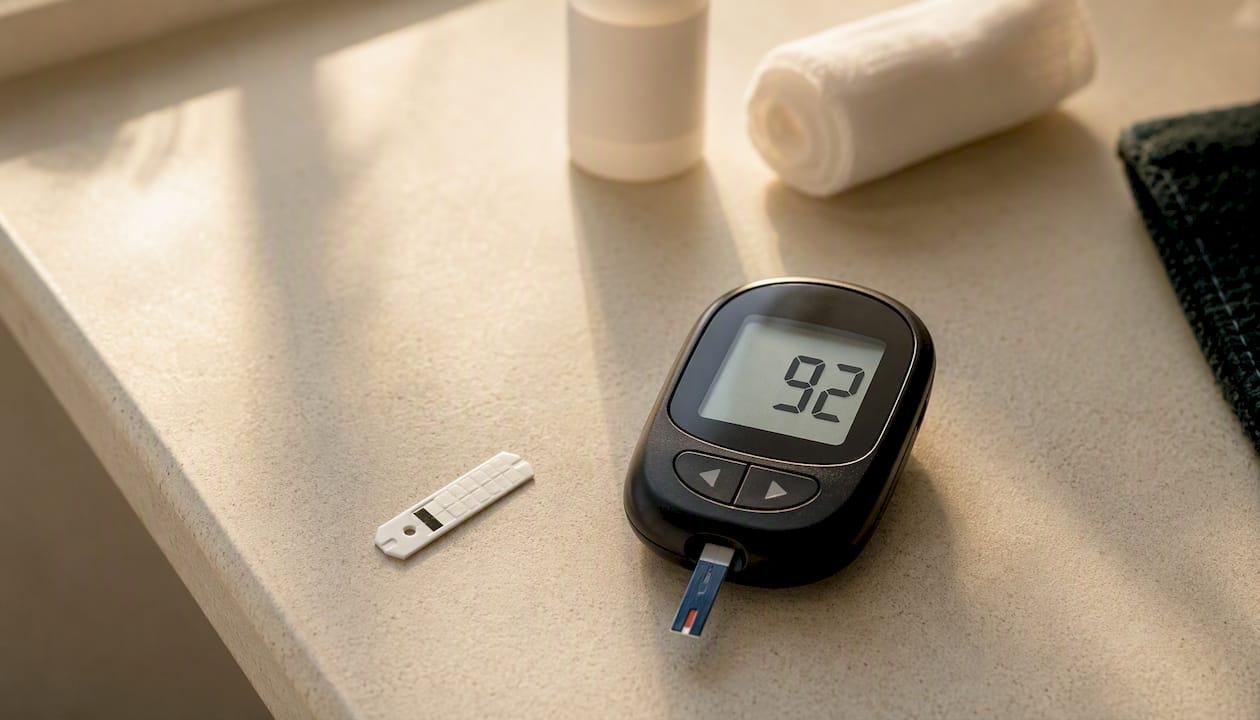
Fasting glucose, insulin, and HbA1c track glycemic control and insulin resistance, one of the clearest drivers of accelerated biological aging. HbA1c above 5.6% signals a metabolic trend worth watching, even before it reaches prediabetic thresholds. Fasting status matters enormously here. A rushed 8 hour “fast” versus a true 12-hour fast can shift your glucose reading by a meaningful margin.
ApoB and the lipid panel matter more than standard LDL cholesterol alone, since ApoB counts the actual number of aerogenic particles circulating in your blood. Liver enzymes (ALT, AST, GGT) reflect hepatic stress, and elevated GGT in particular correlates with oxidative burden, a detail clinical resources on liver function ties directly to metabolic aging risk. Creatinine and eGFR reflect kidney reserve, which declines with age even without disease. Thyroid markers (TSH, free T4/T3) shift metabolic rate and energy output. Vitamin D, B12, and ferritin round out the micronutrient picture, since deficiencies in any of these can masquerade as accelerated aging when they are actually simple, correctable gaps.
| Domain | Key markers | Concerning trend |
|---|---|---|
| Inflammation | hs-CRP, IL-6 | Rising hs-CRP above 3.0 mg/L over repeat tests |
| Metabolic | HbA1c, fasting insulin, glucose | HbA1c climbing above 5.6% or insulin resistance pattern |
| Organ reserve | ALT/AST, creatinine/eGFR | eGFR declining faster than expected for age |
Pro Tip: Log your fasting status, sleep the night before, medications, and any recent illness alongside every lab draw. A single unnoted cold or a missed fast can make a healthy trend look like decline.
Which Tests Actually Measure Biological Age?
Epigenetic clocks, built on DNA methylation patterns, are the most validated way to estimate biological age outside a research lab. TruAge, the commercial methylation clock used within the TIMELESS four-layer protocol, analyzes methylation sites that shift predictably with age and lifestyle exposure. A small lifestyle intervention study found measurable epigenetic clock improvements after just eight weeks in a 43-person cohort, though a sample that size calls for cautious interpretation rather than certainty.
Telomere length testing measures the protective caps on your chromosomes, but it is noisier than methylation clocks for tracking individual change over time. Composite multi-omic panels, which blend methylation, metabolomic, and proteomic data, exist mostly in research and direct-to-consumer settings rather than standard clinical practice.
What limits all of these:
- Batch effects between lab runs can shift results independent of your biology
- Single tests carry real measurement error, so one result should never drive a major decision
- Longitudinal testing, not a one-time snapshot, is what separates signal from noise
Pro Tip: Treat your first TruAge result as a baseline, not a verdict. The second test, taken months later under similar conditions, is what tells you whether anything actually changed.
Do Experimental Rejuvenation Methods Actually Work?
The honest answer is that most experimental approaches are promising but far from proven. A pilot study exchanging large volumes of patient plasma for young-donor plasma in 12 patients with mild cognitive impairment found the procedure feasible, with adverse events consistent with known plasma-exchange risks. That is a safety and feasibility signal, not proof of durable rejuvenation, and practitioners reviewing heterochronic parabiosis research stress that these findings remain proof-of-concept, requiring longitudinal monitoring rather than one-off intervention.
Senotherapeutics split into two camps. Senolytics aim to kill senescent cells outright; senomorphics, like piceatannol, work by quieting the inflammatory signals those cells release. Piceatannol reduced senescent cell burden and inflammatory markers in a murine aging model, but that evidence sits firmly in the preclinical column.
Partial reprogramming, including circRNA-based OSK approaches that rejuvenated stem cells in vitro without triggering pluripotency, represents genuinely exciting science that remains years from clinical application. Pharmacologic repurposing tells a similar story: gemfibrozil showed pro-longevity effects across model organisms and improved frailty measures in aged mice, but the path from mouse data to safe, effective human dosing is long and unproven.
- Plasma exchange: pilot human safety data exists, efficacy does not
- Senolytics/senomorphics: preclinical and early-stage evidence
- Partial reprogramming: promising in vitro work, not clinical-ready
- Drug repurposing: strong animal signals, unverified in humans
Pro Tip: Never self-administer an experimental protocol you read about online. Every credible finding here came from a supervised trial with monitoring built in. Skip that oversight and you are the uncontrolled experiment.
How Do You Build a Monitoring Plan With Your Clinician?
Walk into your first appointment with prior labs in hand, a clear note on fasting status, current medications, and any symptoms or lifestyle shifts worth mentioning. That context changes how a clinician reads your numbers.
- Draw baseline labs alongside a TruAge test to anchor your starting point.
- Correct any reversible deficiency first, whether that is vitamin D, B12, or ferritin.
- Target lifestyle and, where warranted, medical interventions based on what the trend shows.
- Retest to confirm the trend held, not just that one number moved.
Retesting cadence matters. Metabolic and inflammatory markers can shift meaningfully in three months. Epigenetic clocks need six to twelve months between draws to separate real change from noise, sooner only if you are running an aggressive intervention. Ask your clinician directly: what explains this trend, which interventions here are evidence-based, and what should we watch for as a warning sign.
Pro Tip: Bring the same three questions to every follow-up appointment. Consistency in what you ask makes it easier to spot when your clinician’s answers actually start changing.
Why Lab Snapshots Can Mislead You About Aging
A single lab value is a snapshot, not a verdict, and snapshots lie more often than trends do. Assay differences between labs, fasting state, acute illness, and medications all shift results independent of your actual biology. Even epigenetic clocks carry measurement error, which is exactly why repeat testing under controlled conditions matters more than any one dramatic number. Claims of instant age reversal are not supported by current evidence. What the research actually shows is slower: measured, repeated improvement over months to years.
- Trends beat single values, always
- Fasting status, illness, and medication timing all distort results
- Repeat testing is the only real defense against measurement noise
Pro Tip: If a single result looks alarming, retest before you panic. Isolated outliers are common; sustained trends are what deserve your attention.
What TIMELESS Measures and Why
Timeless - Reverse Your Age pairs clinical labs and TruAge DNA methylation testing with structured tracking across all four layers of aging. The primary physical panel, inflammation, metabolic, lipid, organ, and hormone markers, sets the baseline, while emotional, spiritual, and energetic assessments shape how those numbers actually get interpreted.
Aging is a four-layer problem. Most protocols measure one layer and call it done. We track all four because a methylation clock never tells you the whole story alone.
Why Most Lab-Based Anti-Aging Advice Misses the Point
Most guidance built around laboreredmények és fiatalodás treats lab work as a diagnosis instead of a compass. That is backward. A CRP reading or an ApoB number does not tell you why your biology is behaving the way it is. It tells you where to look next.
The conventional approach chases a single alarming marker and prescribes a supplement stack to fix it. That rarely works because it ignores the layers underneath the number. Chronic stress and unresolved emotional patterns drive nervous system dysregulation, which shows up as inflammation on a lab report. A person’s subconscious relationship with aging itself, the spiritual layer, shapes the choices that produce those metabolic numbers in the first place. Treat the marker without addressing what produced it and the number creeps back within a year.
What I’d prioritize first: get your baseline panel and a TruAge test before you spend a dollar on any intervention. You cannot reverse what you have not measured, and you cannot interpret a physical marker correctly without asking what emotional, spiritual, or energetic pattern is feeding it.
Ready to Turn Your Lab Results Into a Plan?
Most people who get a concerning lab panel back are handed a supplement list and sent home. Timeless - Reverse Your Age does something different: it connects your physical markers to the emotional, spiritual, and energetic layers that actually drive them, verified with the same TruAge DNA methylation testing referenced throughout this article.

If you want to start immediately, download the Reverseyourage for 14 upgrades you can apply before your next blood draw. If your labs already show a pattern worth addressing, the TIMELESS Vitality Intensive is an 8-week private coaching program that integrates your lab monitoring directly into a four-layer protocol, backed by a DNA-verified guarantee: 10 years of biological age reversal in 6 months, confirmed by TruAge testing, or you get every dollar back. No other longevity program puts that kind of accountability behind its results. Book a free Vitality Diagnosis call to see exactly which markers and layers your plan should target first.
Sources
- PMC article on heterochronic parabiosis and clinical oversight
- Interstitial fluid rejuvenation through young-donor plasma exchange in cognitively impaired patients: a pilot safety and feasibility study | GeroScience
- Gemfibrozil promotes longevity and health by restricting amino acid uptake through the Dipeptide transporter, PEPT1 | npj Aging
Consult a clinician before acting on any pilot-stage or preclinical finding above.
This article is general information, not a substitute for advice from a qualified doctor. Consult a qualified healthcare professional about your own circumstances before acting on anything here.
FAQ
What do lab results actually tell you about aging?
Lab results show snapshots of inflammation, metabolic function, and organ reserve that correlate with biological aging, but a single value means far less than a tracked trend across repeat testing.
What does VK4 mean on a lab report?
VK4 typically appears as a coagulation-related marker (vitamin K-dependent factor) on certain lab panels; ask your clinician to confirm what it measures on your specific report, since panel labeling varies by lab.
Where do I find my lab test results?
Most labs release results through a patient portal or your ordering clinician’s office, and Hungarian lab providers generally give you either a printed report or portal access within a few business days.
What liver lab values are considered normal?
Normal ranges vary by lab, but ALT and AST are generally flagged when they exceed the reference range printed on your specific report, and a persistently elevated GGT often signals metabolic or oxidative stress worth discussing with a clinician.
Which test best measures true biological age?
DNA methylation clocks like TruAge are currently the most validated biological age test available, though even these require repeat testing over months to distinguish real change from measurement noise.