
Immune System Aging Reversal Strategies That Work
Discover effective immune system aging reversal strategies backed by research. Learn how to restore balance and reduce inflammation for better health.
Immune System Aging Reversal Strategies That Work
The immune system can be slowed in its aging and, in several measurable ways, partially reversed. That is not a wellness claim. It is the conclusion of peer-reviewed research published in journals including Nature, PLOS Biology, and the NIH Office of Dietary Supplements. It is supported by pre-clinical trials and emerging 2025–2026 human studies. The field has a formal name for what happens to immunity over time: immunosenescence. And the science of reversing it is accelerating fast.
What does not work is the popular idea of simply “boosting” your immune system. Harvard Health states it plainly: no scientifically proven direct links exist between any single lifestyle change and enhanced immune function. The immune system is a network, not a dial you turn up. What the research does support is a multi-layered approach that restores balance, reduces chronic inflammation, and rebuilds the cellular machinery that age degrades.
The strategies that actually move the needle fall into three categories:
- Lifestyle interventions: nutrition, physical activity, caloric restriction, sleep, stress reduction, and microbiome support
- Pharmacological approaches: caloric restriction mimetics, statins, thymic cytokine therapies (Notch, FLT3L, IL-7), and senolytic drugs
- Experimental biomedical therapies: FOXN1 gene therapy, mRNA-based liver reprogramming, and thymic epithelial cell regeneration
No single intervention restores a fully youthful immune system. The evidence consistently points toward integrated, sustained protocols rather than any one pill or practice. That is exactly the premise behind the TIMELESS four-layer aging protocol, which addresses immune aging at the physical, emotional, spiritual, and energetic levels simultaneously. Most longevity programs touch one layer. This one addresses all four.
Why your immune system ages and what it costs you
Immune aging is not a single event. It is a cascade of biological changes that unfolds over decades, and understanding the mechanism is the first step toward reversing it.
Immunosenescence and thymic involution
The thymus is the organ responsible for producing naïve T cells, the immune cells that recognize new threats. By age 40, the thymus has shrunk to a fraction of its adolescent size, a process called thymic involution. The output of naïve T cells drops sharply, leaving the immune repertoire increasingly narrow. Older adults end up with a disproportionate share of memory T cells and a shrinking pool of cells capable of responding to novel pathogens or cancer antigens.
Hematopoietic stem cells in the bone marrow also shift with age. They become less efficient at producing lymphoid progenitors and more biased toward myeloid lineages, further skewing the immune balance. The result is a system that is simultaneously overactive in the wrong places and underequipped where it matters most.
Inflammaging: the slow burn
Chronic, low-grade inflammation that accumulates with age is called inflammaging. It is not the acute inflammation that heals a wound. It is a persistent background signal driven by senescent cells, accumulated cellular debris, and dysregulated cytokine production. Inflammaging accelerates tissue damage, increases susceptibility to cardiovascular disease, type 2 diabetes, neurodegeneration, and cancer, and paradoxically suppresses targeted immune responses at the same time.
The clinical consequences are measurable and serious:
- Increased susceptibility to respiratory infections, including influenza and pneumonia, which are leading causes of death in adults over 65
- Reduced vaccine efficacy, particularly for influenza vaccines in people over age 65 compared to healthy children
- Higher cancer risk as immune surveillance of malignant cells weakens
- Greater severity of viral infections due to impaired macrophage function and reduced T-cell diversity
- Slower wound healing and tissue repair from dysregulated cytokine signaling
Understanding these mechanisms is not just academic. Each one represents a target. The strategies covered in the sections that follow are mapped directly to these biological failure points.
Lifestyle interventions that slow immune aging
Lifestyle changes are the foundation of any immune aging reversal protocol. They are not a substitute for pharmacological or experimental therapies, but without them, those therapies have far less to work with.
Nutrition and micronutrient sufficiency
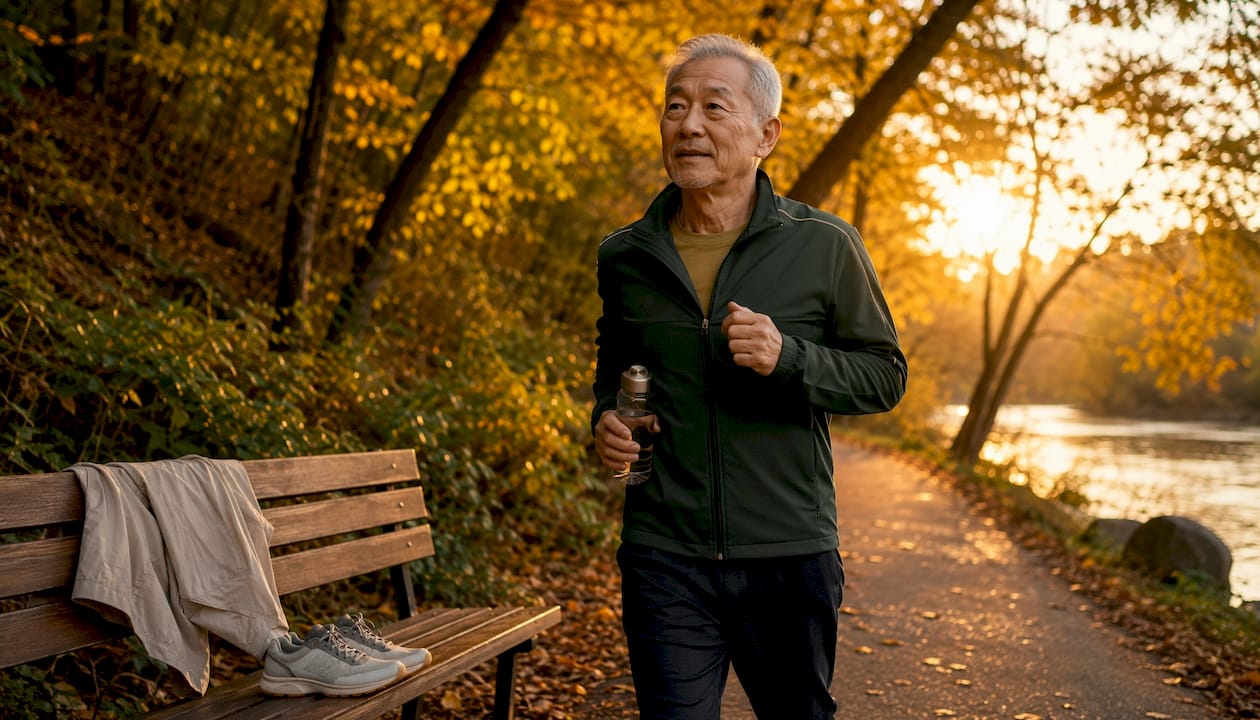
Micronutrient deficiencies are common in aging Americans and directly impair immune function. Vitamin D deficiency is common among Americans, and vitamin D modulates both innate and adaptive immunity by supporting macrophage function, suppressing inflammation, and lowering viral replication rates. Deficiencies in zinc, selenium, vitamin C, and vitamin A each compromise distinct immune pathways, from T-cell maturation to epithelial barrier integrity.
The NIH Office of Dietary Supplements is direct on this point: steady nutritional support for immune health matters far more than crisis supplementation. Megadosing a single vitamin does not compensate for a chronically deficient diet. What works is consistent adequacy across the full micronutrient spectrum, ideally through food first and targeted supplementation where testing confirms a gap.
Key nutrients with the strongest immune evidence:
- Vitamin D: lowers viral replication, increases T-regulatory cell activity, expressed by nearly all immune cells
- Vitamin C: supports B-cell and T-cell differentiation, enhances phagocytosis, and may inhibit viral replication
- Zinc: required for lymphocyte formation, activation, and maturation; deficiency elevates proinflammatory mediators
- Selenium: supports T-cell maturation, natural killer cell activity, and antioxidant enzyme function
- Vitamin E: high-dose supplementation (60–800 mg/day) has shown improved lymphocyte proliferation and antibody response in adults over 60 in clinical trials
Pro Tip: Get a comprehensive micronutrient panel before supplementing. Toxicity from fat-soluble vitamins like D and E is a real risk when you supplement without knowing your baseline.
Physical activity and weight management
Regular exercise reduces inflammation, supports healthy weight, and directly contributes to immune resilience. A study of more than 500,000 U.S. adults found that those who met both aerobic and muscle-strengthening physical activity guidelines were about half as likely to die from flu or pneumonia as adults who met neither guideline. That is not a marginal benefit.
Obesity, defined as a BMI of 30 or above, is linked to impaired immune function and reduced vaccine effectiveness for influenza, hepatitis B, and tetanus. Maintaining a healthy weight is one of the most direct, evidence-backed ways to preserve immune function during aging because excess adipose tissue drives the chronic inflammation that accelerates immunosenescence.
Caloric restriction and fasting
Caloric restriction, reducing total caloric intake without malnutrition, consistently extends lifespan and improves immune markers in animal models. The mechanism involves reduced mTOR signaling, enhanced autophagy, and decreased production of proinflammatory cytokines. Intermittent fasting produces similar effects through overlapping pathways. Both approaches reduce the senescent cell burden that drives inflammaging and create metabolic conditions that favor immune tissue repair.
The practical application for most people is not severe caloric restriction. Time-restricted eating (typically a 16:8 or 18:6 window) achieves many of the same downstream effects with far greater adherence.
Sleep, stress, and the nervous system connection
Sleep deprivation directly suppresses immune function. Scientific evidence confirms that sleep loss negatively affects multiple components of the immune system, increasing susceptibility to a wide range of disorders. Chronic psychological stress compounds this by elevating cortisol, which suppresses lymphocyte activity and accelerates thymic atrophy. These are not soft lifestyle factors. They are biological levers with measurable immune consequences.
Pharmacological and biomedical approaches to immune rejuvenation
Lifestyle interventions set the foundation. Pharmacological strategies go further by targeting specific biological mechanisms of immune aging that diet and exercise alone cannot fully address.
Caloric restriction mimetics
Caloric restriction mimetics are compounds that replicate the molecular effects of fasting without requiring actual food restriction. Rapamycin (an mTOR inhibitor), metformin, and spermidine are the most studied. They activate autophagy, reduce senescent cell accumulation, and modulate immune cell metabolism in ways that parallel the effects of caloric restriction. Pre-clinical data is strong. Human clinical trial data is accumulating, with rapamycin showing particular promise for improving vaccine response in older adults in early trials.
Statins and immune modulation
Statins, widely prescribed for cardiovascular risk, have documented immunomodulatory effects beyond cholesterol reduction. They reduce systemic inflammation by suppressing NF-kB signaling, lower circulating inflammatory cytokines, and appear to reduce the chronic inflammatory background that drives inflammaging. Their immune effects are secondary to their primary indication, but they represent a pharmacological tool already available and in widespread use that carries meaningful immune aging benefits.
Thymic regeneration: cytokines and hormonal approaches
Restoring thymic output is one of the most direct ways to reverse immunosenescence. Several cytokine-based strategies have shown results in pre-clinical and early clinical settings.

| Approach | Mechanism | Evidence Stage | Key Limitation |
|---|---|---|---|
| IL-7 cytokine therapy | Stimulates T-cell progenitor expansion in the thymus | Phase I/II clinical trials | Risk of systemic inflammation at higher doses |
| FLT3L | Expands dendritic cell and lymphoid progenitor populations | Pre-clinical and early human data | Short half-life; requires repeated dosing |
| Notch signaling activation | Supports thymic epithelial cell function and T-cell maturation | Pre-clinical models | Delivery mechanism still under development |
| Sex hormone ablation | Removes androgen/estrogen suppression of thymic activity | Clinical use in prostate cancer patients | Significant hormonal side effects |
| Growth hormone / IGF-1 | Stimulates thymic regrowth and naïve T-cell output | Phase I clinical trial (TRIIM study) | Metabolic side effects; long-term safety unclear |
The review literature on thymic restoration is consistent on one point: no single cytokine or hormonal approach has demonstrated robust, durable thymic regeneration in humans. Integrated, multimodal approaches are the current clinical recommendation.
Hormonal optimization, including testosterone support in aging men, intersects with thymic health because androgens suppress thymic activity. Understanding how testosterone changes after 40 is relevant context for anyone evaluating hormonal approaches to immune aging, since androgen ablation is one of the few clinically validated methods of temporarily restoring thymic output.
Senolytic drugs
Senescent cells accumulate in immune tissues with age and release a toxic mix of inflammatory cytokines called the senescence-associated secretory phenotype (SASP). Senolytic drugs selectively eliminate these cells. Dasatinib and quercetin, the most studied senolytic combination, suppress cellular senescence and reduce immune-mediated tissue damage in both animal models and early human trials. Quercetin is available as a supplement; dasatinib is an FDA-approved cancer drug being studied in senolytic contexts. The combination represents one of the most promising pharmacological immune aging reversal strategies currently in clinical investigation.
Ethical considerations and risks
Pharmacological immune rejuvenation carries real risks. Rapamycin is an immunosuppressant at therapeutic doses. Cytokine therapies can trigger autoimmune reactions. Senolytics can cause off-target cell death. None of these approaches should be self-administered without medical supervision. The ethical framework for experimental immune therapies is still developing, particularly around access, long-term safety monitoring, and the distinction between treatment and enhancement.
Experimental strategies that could rewrite immune aging
The most exciting developments in immune aging reversal are happening at the intersection of gene therapy, mRNA technology, and regenerative medicine. Most are pre-clinical, but the pace of translation to human trials is accelerating.
mRNA-based liver reprogramming
A 2025 study published in Nature demonstrated that transient mRNA delivery of immune trophic factors, specifically DLL1, FLT3L, and IL-7, to hepatocytes in aged mice restored T-cell function and immune resilience without inflammatory side effects. The liver acts as a temporary factory, producing the signaling molecules the aging immune system has stopped generating in sufficient quantities. Because the mRNA is transient and does not alter the genome, the autoimmune risk is substantially lower than with cytokine infusion therapies. This approach represents a reversible, temporally controlled method of restoring immune homeostatic signals, a meaningful advance over permanent genetic modification.
FOXN1 gene therapy and thymic epithelial cell regeneration
The transcription factor FOXN1 is the master regulator of thymic epithelial cell identity. Its expression declines with age, directly driving thymic involution. Gene therapy approaches that restore FOXN1 expression in thymic epithelial cells have shown thymic regrowth and increased naïve T-cell output in animal models. A separate 2025 study in PLOS Biology showed that inducible Myc expression in thymic epithelial cells partially reversed thymic involution and restored naïve T-cell diversity in aged mice. These findings confirm that the thymus retains regenerative capacity well into old age. The challenge is delivering the intervention safely and durably in humans.
Senolytic cocktails and immune tissue rejuvenation
Beyond the dasatinib and quercetin combination, next-generation senolytics are being developed to target specific senescent cell populations in immune tissues. Senolytic cocktails can actively reverse cellular senescence in immune tissues, reducing organ damage and supporting immune rejuvenation in pre-clinical models. The field is moving toward tissue-specific delivery systems that minimize off-target effects.
Pro Tip: If you are tracking experimental therapies, the NIH ClinicalTrials.gov database lists active senolytic and thymic regeneration trials enrolling U.S. participants. Search “senolytic aging” or “thymic regeneration” to find current enrollment opportunities.
What the animal models tell us and what they do not
The gap between pre-clinical success and human application is real. Mice have shorter lifespans, different immune architectures, and respond to interventions at doses that would be impractical or toxic in humans. Every experimental strategy listed here has shown results in animal models. None has yet demonstrated the same magnitude of effect in a large, randomized human trial. That does not make them irrelevant. It means the timeline to clinical application is measured in years, not decades, and the scientific rationale is solid.
The role of aesthetic and regenerative treatments in anti-aging programs is also expanding to include immune-focused biomarkers, reflecting a broader clinical recognition that immune age and biological age are deeply linked.
How the TIMELESS four-layer protocol addresses immune aging
Most longevity protocols address one layer of aging. The TIMELESS four-layer aging protocol addresses all four simultaneously, and that distinction matters because immune aging is not purely a cellular problem.
Here is what I know from 15 years of research and a TruAge DNA methylation test that confirmed my biological age at 23 when I was 41 years old chronologically: the immune system does not age in isolation. It ages in the context of a nervous system under chronic stress, a subconscious mind running programs about what it means to get old, and a bioelectric field that either supports or undermines cellular repair. Address only the physical layer and you leave three drivers of immune aging completely untouched.
The four layers and their immune connections
-
Physical layer (cellular, epigenetic, mitochondrial): This is where most immune aging research lives. Mitochondrial dysfunction reduces the energy available for immune cell activation. Epigenetic drift silences genes that regulate immune tolerance and T-cell function. Cellular senescence accumulates and drives inflammaging. Interventions here include nutrition, exercise, senolytics, caloric restriction, and the pharmacological strategies covered earlier.
-
Emotional layer (stored trauma, nervous system dysregulation): Chronic activation of the sympathetic nervous system elevates cortisol and suppresses lymphocyte activity. Unresolved trauma keeps the body in a low-grade threat state that accelerates thymic atrophy and promotes inflammaging. This is not metaphor. It is measurable in cortisol levels, heart rate variability, and inflammatory cytokine profiles.
-
Spiritual layer (identity and subconscious beliefs about aging): The subconscious mind runs programs about what aging looks like and what the body is supposed to do at a given age. Those programs influence gene expression through psychoneuroimmunology pathways. People who hold negative beliefs about aging show measurably worse immune and cardiovascular outcomes in longitudinal studies. Rewriting those programs is part of the protocol.
-
Energetic layer (bioelectric field, meridians): The body’s bioelectric field coordinates cellular communication and tissue repair. Disruptions in this field, whether from electromagnetic stress, energetic blockages, or chronic energetic depletion, impair the signaling environment that immune cells depend on. Practices that restore bioelectric coherence support immune function at a level that purely biochemical interventions cannot reach.
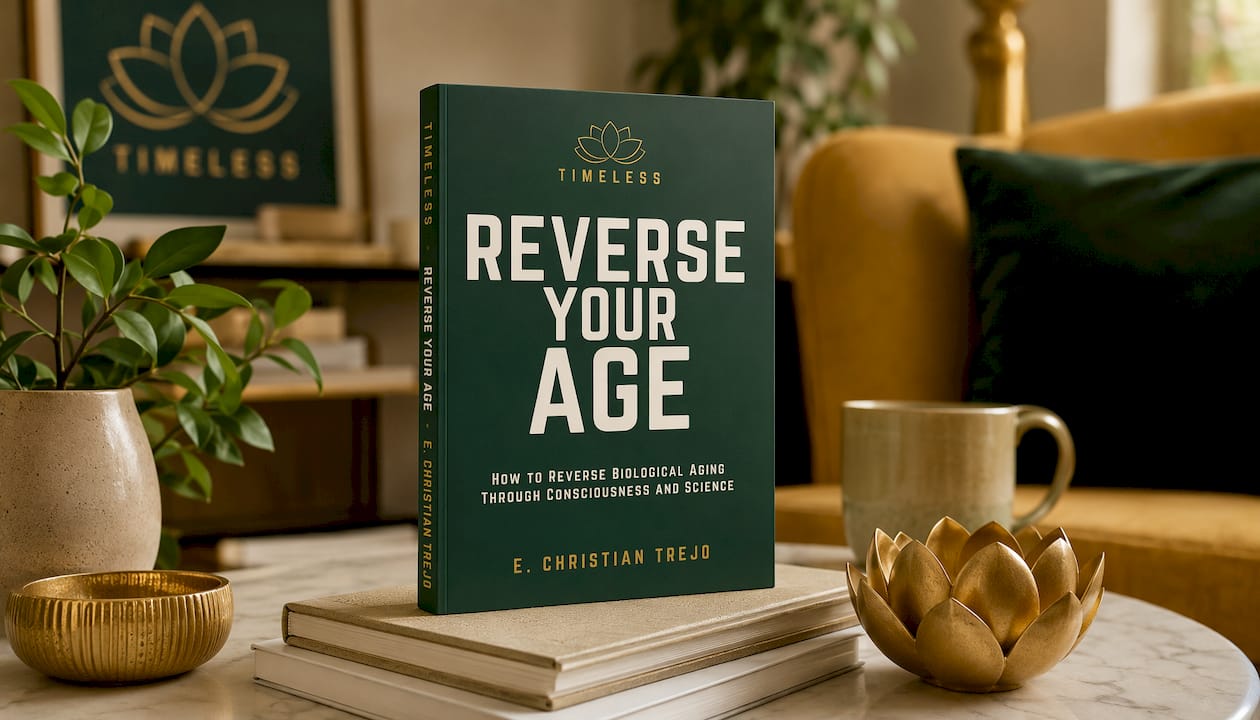
The TIMELESS protocol integrates all four layers through a structured system documented in the book Timeless: Reverse Your Age, a 370-page blueprint built on 15 years of research and tested across thousands of practitioners in 40 countries. The TIMELESS Vitality Intensive, an 8-week private coaching program, comes with a DNA-verified guarantee: reverse your biological age by at least 10 years in 6 months, confirmed by TruAge DNA methylation testing, or every dollar is refunded. No other program in the longevity space offers that level of scientific accountability.
For a broader overview of aging reversal methods that go beyond surface-level interventions, the TIMELESS Journal covers the clinical and epigenetic research in depth.
Ready to reverse your immune age?
The science is clear: immune aging is not fixed. The biological program can be rewritten. The question is whether you are working with a protocol that addresses all four layers or just one.
The TIMELESS four-layer protocol is the only longevity system backed by a DNA-verified guarantee. Reverse your biological age by 10 years in 6 months, confirmed by TruAge testing, or receive a full refund. The complete blueprint is available in the book Timeless: Reverse Your Age for $29.99. For personalized guidance, the TIMELESS Vitality Intensive is an 8-week private coaching program at $7,000, guaranteed.
Start with the free guide at reverseyourage.org/14-upgrades or enter the TIMELESS Challenge at reverseyourage.org/challenge for a $50,000 prize.
Key Takeaways
Immune system aging reversal requires a multi-layered approach combining lifestyle, pharmacological, and experimental strategies, with no single intervention sufficient on its own.
| Point | Details |
|---|---|
| Immunosenescence is reversible | Thymic output, T-cell diversity, and inflammatory markers can be improved through targeted interventions. |
| Micronutrient sufficiency matters | Vitamin D deficiency is common among Americans, directly impairing immune function and infection resistance. |
| Senolytics show real promise | Dasatinib and quercetin suppress cellular senescence and reduce immune-mediated tissue damage in clinical investigation. |
| mRNA therapy is a breakthrough | Transient liver delivery of DLL1, FLT3L, and IL-7 restored T-cell function in aged mice without inflammatory side effects. |
| Four layers drive immune aging | Physical, emotional, spiritual, and energetic factors all affect immune health; addressing only one leaves the others unresolved. |
FAQ
Does a 72-hour fast really reset your immune system?
Prolonged fasting triggers autophagy and reduces circulating inflammatory markers, but “reset” overstates the evidence. Prolonged fasting can reduce senescent immune cell burden and shift the immune environment, but it does not regenerate the thymus or restore naïve T-cell diversity on its own.
How do you improve your immune system as you get older?
The most evidence-backed approach combines consistent micronutrient sufficiency (especially vitamins D, C, zinc, and selenium), regular physical activity, weight management, adequate sleep, and stress reduction. Pharmacological options like caloric restriction mimetics and senolytics are emerging as adjuncts for those working with a physician.
Is it possible to reverse cellular aging?
Yes, partially. Senolytic drugs, epigenetic reprogramming approaches, and mRNA-based therapies have demonstrated measurable reversal of cellular aging markers in pre-clinical models and early human trials. TruAge DNA methylation testing can quantify biological age changes over time.
How do you look and feel 10 years younger naturally?
Biological age reversal, verified by DNA methylation testing, requires addressing aging at the physical, emotional, spiritual, and energetic levels simultaneously. The TIMELESS four-layer protocol has produced a verified biological age of 23 at chronological age 41 in its founder, with a DNA-verified guarantee of 10 years of reversal in 6 months for program participants.