
How to Reverse Biological Age Naturally in 2026
Discover how to reverse biological age naturally with effective lifestyle changes. Unlock youthfulness through diet, exercise, and stress management!
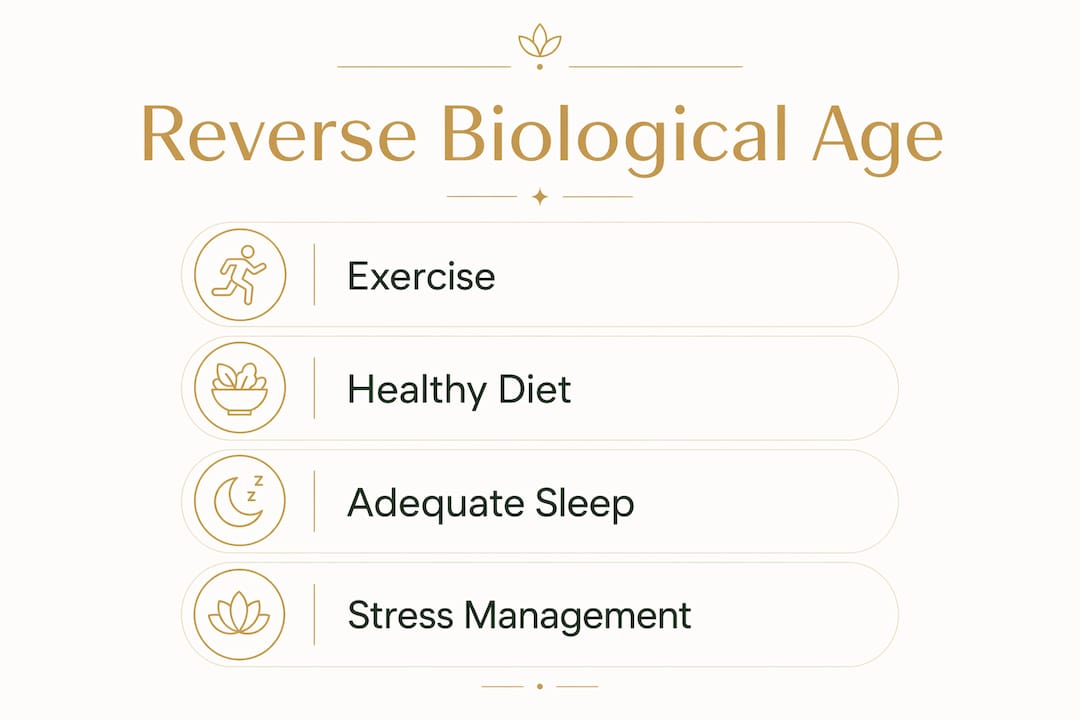
Biological age is a direct measure of how fast your cells are aging, and it can be reversed through targeted lifestyle changes. Unlike chronological age, which counts years, biological age reflects your cellular and metabolic health. Epigenetic clocks like TruAge measure DNA methylation patterns to track this number precisely. Research now confirms that lifestyle changes can reduce biological age by 1–3 years within months. The methods to reverse aging naturally include exercise, diet, sleep, and stress management. Each one rewrites the aging program running in your cells.
How to reverse biological age naturally: the core lifestyle factors
The most proven way to reverse biological age naturally is to combine multiple lifestyle habits simultaneously. Isolated changes produce modest results. Combining them produces measurable, lasting shifts in your epigenetic markers.
Exercise: the most powerful single lever
Exercise is the single most studied intervention for reducing biological age. A controlled 12-week exercise study showed proteomic age decreased by approximately 10 months, linked to improved insulin sensitivity and tissue remodeling. That is not a small effect. Ten months younger in three months of consistent training is a result most people do not expect from something as accessible as a workout program.

Cardio, resistance training, and high-intensity interval training (HIIT) each target different aging pathways. HIIT specifically reduces the DunedinPACE score, which measures the speed at which you are aging. Resistance training preserves muscle mass and metabolic function, both of which decline sharply after 40.
Diet: your epigenetic control panel
A plant-rich, fiber-heavy diet consistently reduces biological age markers across large populations. An analysis of 50,000+ participants found that vitamin intake correlated with reduced biological age acceleration, with a PhenoAge-acceleration score of β = −1.379. That number means people with higher nutrient intake aged measurably slower at the cellular level.
Mediterranean-style eating patterns outperform both vegetarian and processed-food-heavy diets in nearly every longevity metric. The key variables are fiber intake, antioxidant density, and the near-elimination of ultra-processed foods.
The synergy effect
Combining multiple lifestyle habits produces greater biological age reductions than any single change. Moving from zero to three healthy cardiovascular habits reduces biological age by approximately 2 years. This finding comes from a large analysis of 6,500+ participants and aligns with Framingham Heart Study data. The biology here is clear: aging is a systemic process, and it responds best to systemic interventions.
Pro Tip: Track your progress with a TruAge or similar DNA methylation test before you start and again at 3 months. Without a baseline, you are flying blind on whether your protocol is actually working.
Can diet reverse biological age? what the nutrients show
Diet is the fastest-acting lever for naturally reducing biological age. Short-term dietary changes can reduce biological age markers within just 4 weeks. That speed surprises most people who assume cellular change takes years.
Key nutrients that shift your biological clock
Vitamins B2, B9, and C each show dose-response effects on epigenetic aging markers. B9 (folate) directly supports DNA methylation, the very mechanism epigenetic clocks measure. Vitamin C acts as a cofactor in collagen synthesis and cellular repair. These are not obscure supplements. They are abundant in leafy greens, citrus, legumes, and whole grains.
Complex carbohydrates and dietary fiber reduce systemic inflammation, which is a primary driver of accelerated epigenetic aging. Processed foods and excess animal fats do the opposite. They increase inflammatory markers and push biological age upward.
Dietary pattern comparison
| Dietary Pattern | Effect on Biological Age | Key Mechanism |
|---|---|---|
| Mediterranean diet | Reduces biological age markers in 4 weeks | High fiber, antioxidants, healthy fats |
| Vegetarian diet | Moderate reduction | Lower saturated fat, higher micronutrients |
| Processed food diet | Accelerates biological aging | Chronic inflammation, nutrient depletion |
| High animal fat diet | Accelerates epigenetic aging | Inflammatory pathways, oxidative stress |
The Mediterranean pattern wins across every comparison because it addresses multiple aging pathways at once. It is not about restriction. It is about density: packing each meal with the micronutrients your cells need to repair and replicate accurately.
For those interested in the emerging role of specific compounds like NAD+ precursors in cellular energy and aging, the NAD+ research overview from Ares Research provides a thorough look at current evidence.
What exercise protocol delivers the best results?
Exercise is not one-size-fits-all when it comes to biological age reversal. The type, frequency, and combination of training modalities all matter. Here is what the evidence supports:
-
HIIT (High-Intensity Interval Training): HIIT reduces the pace of aging as measured by DunedinPACE within 8 weeks. Two to three sessions per week of 20–30 minutes is sufficient to produce measurable epigenetic changes.
-
Resistance training: Two sessions per week preserve muscle mass, improve insulin sensitivity, and reduce proteomic aging markers. The 12-week study showing a 10-month reduction in proteomic age used a combined resistance and aerobic protocol.
-
Moderate aerobic exercise: 150 minutes of moderate-intensity cardio per week, such as brisk walking, cycling, or swimming, meets the threshold shown to reduce biological age in large population studies.
-
Combination approach: Pairing HIIT with resistance training and moderate cardio produces the strongest results. Each modality targets different aging pathways, and their effects compound over time.
-
Consistency over intensity: A 12-week commitment at moderate effort outperforms sporadic high-effort sessions. Biological age responds to sustained signals, not occasional shocks.
The proteins CLEC14A and related metabolic markers shift measurably with consistent exercise. These are not abstract numbers. They reflect real changes in how your tissues repair, how your blood vessels function, and how efficiently your cells produce energy.
Pro Tip: If you are new to HIIT, start with 10-second work intervals and 50-second rest periods. Build to a 1:2 work-to-rest ratio over 4 weeks before increasing intensity. This protects joints and prevents the burnout that derails most programs.
How do sleep and stress shape your biological age?
Sleep and stress are the two most underestimated factors in biological age reversal. Most people focus on diet and exercise while ignoring the recovery side of the equation. That is a significant mistake.
Sleep: your nightly cellular repair window
Sleep is when your body runs its cellular maintenance program. Growth hormone peaks during deep sleep, driving tissue repair and metabolic regulation. Chronic sleep deprivation elevates cortisol, disrupts glucose metabolism, and accelerates epigenetic aging. Sleep optimization directly slows biological aging by protecting the cellular repair processes that keep your epigenetic clock from running fast.
Practical sleep hygiene changes that produce measurable results include:
- Keeping a consistent sleep and wake time, even on weekends
- Eliminating blue light exposure for 60 minutes before bed
- Keeping your bedroom temperature between 65–68°F
- Avoiding alcohol within 3 hours of sleep, since it suppresses deep sleep stages
- Using magnesium glycinate before bed to support sleep depth and duration
Stress: the silent accelerator
Chronic stress elevates cortisol, which directly accelerates epigenetic aging clocks. This is not a metaphor. Cortisol drives methylation changes that make your cells behave older than they are. Breathing exercises, mindfulness practice, and structured relaxation protocols all reduce cortisol and slow this process.
The most effective stress reduction tools are also the simplest. Box breathing (4 counts in, 4 hold, 4 out, 4 hold) activates the parasympathetic nervous system within minutes. Daily mindfulness practice of 10–15 minutes reduces cortisol levels measurably over 8 weeks. These are not wellness trends. They are documented interventions with direct effects on aging markers.
Sleep and stress also interact with diet and exercise. Poor sleep increases hunger hormones, making clean eating harder. High stress reduces exercise motivation and recovery capacity. Addressing all four pillars together is not optional if you want real results. It is the only approach that works at the systems level.
Key takeaways
Reversing biological age naturally requires combining exercise, diet, sleep, and stress management into a consistent, integrated protocol that targets epigenetic aging at the cellular level.
| Point | Details |
|---|---|
| Lifestyle changes work fast | Dietary shifts can reduce biological age markers within 4 weeks; exercise reduces proteomic age in 12 weeks. |
| Habit synergy multiplies results | Moving from zero to three healthy habits reduces biological age by approximately 2 years. |
| HIIT is the top exercise tool | HIIT reduces DunedinPACE aging scores within 8 weeks when done consistently 2–3 times per week. |
| Sleep and stress are non-negotiable | Chronic cortisol elevation accelerates epigenetic aging; sleep optimization protects cellular repair. |
| Track with DNA methylation testing | TruAge and similar tests provide verified, measurable evidence of biological age change. |
What 15 years of research taught me about reversing biological age
Most people come to biological age reversal looking for the one thing. The one supplement, the one diet, the one biohack that will move the needle. I spent years watching this pattern play out across thousands of practitioners in 40 countries, and the pattern is always the same: isolated interventions produce isolated results. They plateau fast, and they do not hold.
My own TruAge DNA methylation test confirmed a biological age of 23 at 41 years old. That result did not come from any single protocol. It came from 15 years of treating aging as a systems problem, not a symptom to suppress. The physical layer matters. So does the emotional, the spiritual, and the energetic. When you address all four simultaneously, the biology responds in ways that single-axis interventions simply cannot produce.
The biggest mistake I see is people reaching for Yamanaka factor therapies or exotic supplements before they have mastered the fundamentals. Those therapies are still in clinical trials. They are not natural interventions, and they are not available to you today. What is available, and what the research consistently validates, is the combination of exercise, diet, sleep, and stress management done with precision and commitment.
Tracking matters more than most people realize. Measuring insulin sensitivity, proteomic markers, and DNA methylation gives you real feedback. Without measurement, you are guessing. With it, you can identify your personal bottleneck and fix it. That specificity is what separates people who get results from people who stay stuck.
The goal is not to obsess over a number. The goal is to feel and function like someone 10–15 years younger, with the energy, clarity, and physical capacity that comes with that. The number on a TruAge test is just confirmation that the biology is following the behavior.
— E. Christian Trejo
Ready to reverse your biological age with a proven protocol?
The research is clear. The methods to reverse aging naturally exist, they work, and they are accessible to anyone willing to commit to them. What most people lack is a structured, personalized protocol that addresses all four layers of biological aging at once.
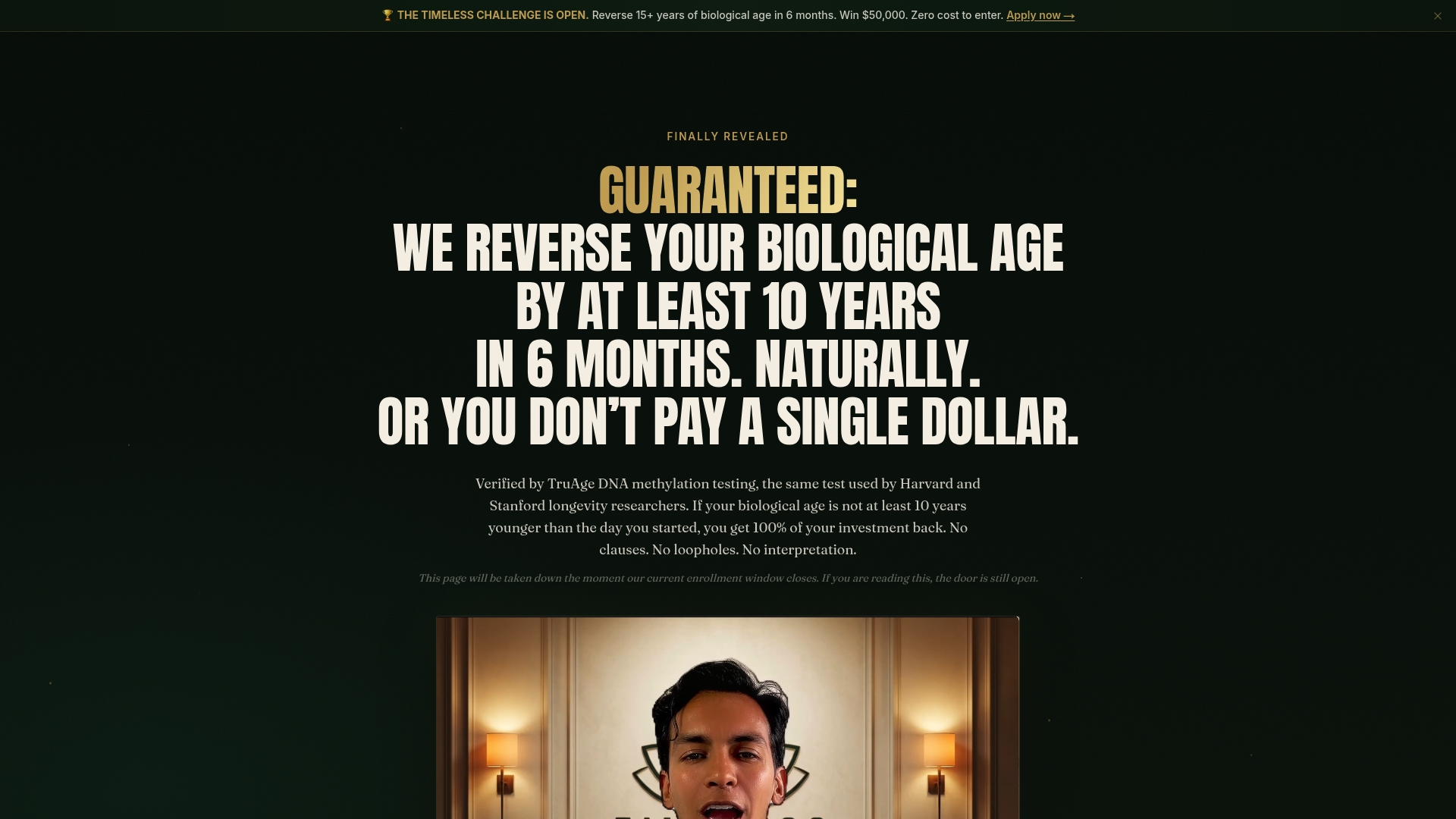
Timeless - Reverse Your Age is the only program in the longevity space that guarantees 10 years of biological age reversal in 6 months, verified by TruAge DNA methylation testing, or every dollar is refunded. Built on 15 years of research and tested across 40 countries, the TIMELESS Vitality Intensive is an 8-week private coaching program that goes beyond generic advice. If you want to know exactly where your biological age stands today and what your fastest path to reversal looks like, book your free vitality diagnosis call and get a personalized plan built around your biology.
FAQ
What does it mean to reverse biological age naturally?
Reversing biological age naturally means using lifestyle interventions, including exercise, diet, sleep, and stress management, to reduce your cellular and metabolic age as measured by epigenetic clocks like TruAge. No drugs or invasive procedures are required.
How quickly can you reduce biological age with lifestyle changes?
Dietary changes can shift biological age markers within 4 weeks. A 12-week exercise intervention reduced proteomic age by approximately 10 months in a controlled study. Meaningful results are measurable within 3 months of consistent effort.
Is HIIT better than regular cardio for reversing biological age?
HIIT reduces the DunedinPACE aging score faster than moderate cardio alone, but the best results come from combining HIIT with resistance training and aerobic exercise. Each modality targets different aging pathways, and their effects compound.
Can diet alone reverse biological age?
Diet produces measurable reductions in biological age markers, particularly when following Mediterranean-style patterns rich in fiber and micronutrients. However, combining diet with exercise and stress management produces significantly greater results than diet alone.
How do you measure biological age reversal?
DNA methylation tests like TruAge provide the most precise measurement of biological age. Tracking proteomic markers and insulin sensitivity also gives actionable evidence of whether your protocol is working. Retest every 3–6 months to confirm progress.