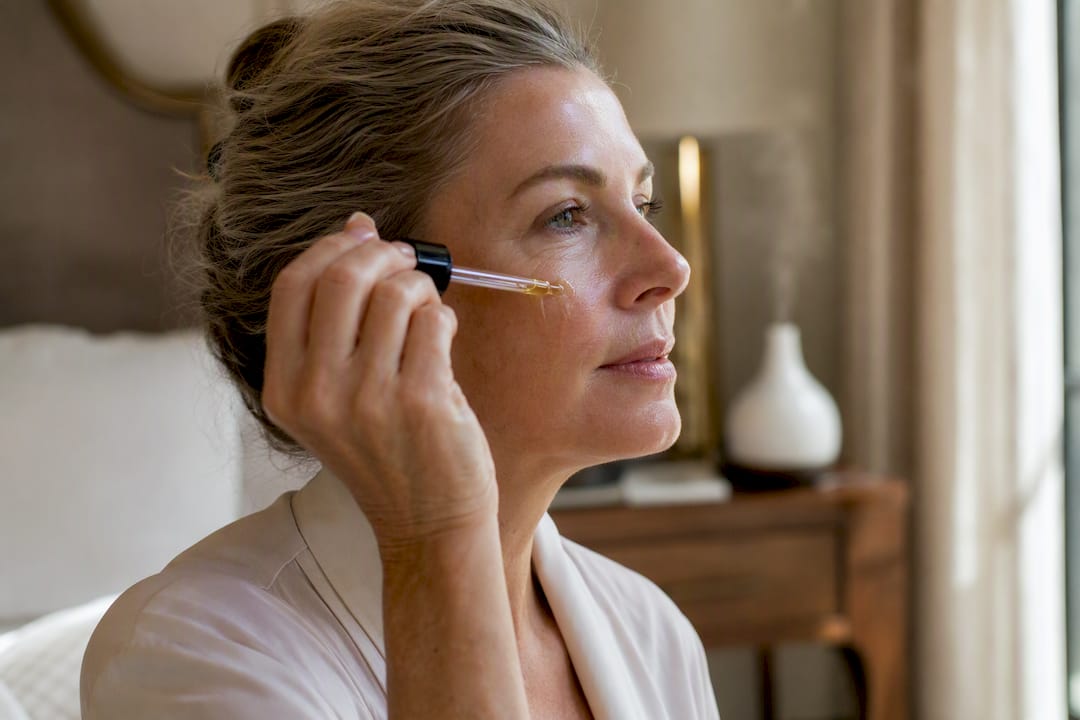
Hormonal Anti-Aging for Women: What Actually Works
Discover how hormonal balance can slow aging in women. Learn effective lifestyle changes, hormone testing, and treatment options today!
Hormonal Anti-Aging for Women: What Actually Works
Yes, hormones are one of the most addressable drivers of how fast a woman’s body ages, and shifting them back into balance measurably slows visible and biological aging. Start here:
- Lifestyle move: prioritize resistance training and a lower-glycemic diet, both of which improve insulin sensitivity and reduce the metabolic strain that accelerates hormonal decline.
- Clinical-aware move: get a baseline hormone panel (estradiol, thyroid, fasting glucose) before choosing between supplements, topicals, or hormone replacement therapy.
- Next step: if symptoms are disruptive, book time with a clinician who can order labs and discuss whether HRT fits your risk profile, timing, and goals.
Key Takeaways
Hormonal decline accelerates women’s biological aging through collagen loss, glycation, and disrupted sleep, but lifestyle changes, targeted supplements, and selectively used HRT can measurably slow that process.
| Point | Details |
|---|---|
| Estrogen drives structural aging | Collagen synthesis and skin hydration decline as estrogen drops, accelerating visible skin changes. |
| Timing changes HRT outcomes | Starting HRT around midlife shows larger reductions in biological age acceleration than starting later. |
| Collagen peptides have dose-dependent evidence | A 12-week trial showed 2.5 to 10 grams daily improved wrinkles and systemic biomarkers in middle-aged women. |
| Metabolic health amplifies hormone benefits | Glycemic control changes how much protective effect HRT and other interventions actually deliver. |
| TIMELESS treats hormones as one of four layers | The Vitality Intensive pairs hormone-aware labs with Emotional, Spiritual, and Energetic work, backed by a DNA-verified guarantee. |
Table of Contents
- Fiatalodás Nőknek Hormonális: How Hormones Drive the Aging You See and Feel
- When Do Hormones Shift During Perimenopause and Menopause?
- What Symptoms Signal a Hormonal Imbalance?
- How Do You Support Hormonal Balance Through Lifestyle?
- Which Supplements and Topicals Have Real Clinical Support?
- When Does Hormone Replacement Therapy Make Sense?
- What Lab Tests Should You Expect From a Clinician?
- What Does an 8 to 12 Week Plan Look Like?
- What Does the Research Actually Show?
- How TIMELESS Approaches Hormonal Rejuvenation
- Sources
- FAQ
Fiatalodás Nőknek Hormonális: How Hormones Drive the Aging You See and Feel
Estrogen isn’t just a reproductive hormone. It’s a structural one. It stimulates fibroblasts to produce collagen, helps skin hold onto water, and supports bone density by regulating the cells that build and break down bone tissue. When estrogen drops, collagen synthesis slows, skin gets thinner and drier, and bone loss accelerates. That’s the biology behind why a woman’s skin can visibly change within a few years of her final period, not decades.
Insulin tells a parallel story. Chronically elevated blood sugar drives glycation, a process where sugar molecules bind to collagen and elastin and stiffen them permanently. Glycated collagen doesn’t just look older; it behaves older, losing elasticity and bounce. Cortisol adds a third layer: sustained stress hormone exposure breaks down collagen, disrupts sleep architecture, and interferes with the deep repair cycles skin and tissue depend on overnight.
These aren’t just cosmetic pathways. Researchers now tie estrogen signaling directly to epigenetic age acceleration, the biological clock measured through DNA methylation. When estrogen output falls, that clock often speeds up.
The hormones worth monitoring:
- Estradiol and progesterone (reproductive and skin/bone signaling)
- Thyroid panel: TSH, free T4, free T3 (metabolism and energy)
- Fasting insulin and glucose (glycation risk)
- Cortisol (stress load and tissue repair)
An Endocrine Society review also flags melatonin and IGF-1 as underappreciated players in skin and hair aging, an area still under active research.
Pro Tip: Track your fasting glucose alongside your skin and energy symptoms for a month. A pattern of high glucose readings paired with fatigue and dry skin often points to insulin resistance compounding hormonal decline, not hormones acting alone.
When Do Hormones Shift During Perimenopause and Menopause?
Perimenopause doesn’t announce itself with a single symptom. It’s a gradual, uneven decline that can stretch across a decade before periods actually stop.
- Early perimenopause (typically late 30s to mid-40s): Progesterone starts declining first, often years before estrogen drops noticeably. Cycles may shorten or become irregular.
- Late perimenopause (mid-to-late 40s): Estrogen swings become erratic, sometimes spiking before crashing. This is when hot flashes, sleep disruption, and mood shifts intensify.
- Menopause (average age 51 in the US): Periods stop for 12 consecutive months. Estrogen and progesterone settle at consistently low levels.
- Postmenopause: Hormone levels stabilize low, but bone density loss and skin thinning continue if unaddressed.
Timing matters more than most women realize. A large-scale analysis found that women who started hormone replacement therapy around midlife showed sustained reductions in biological age acceleration compared to those who didn’t, with the earliest initiators seeing the most notable gains.
| Life stage | Hormone trend | Common symptoms | Clinical note |
|---|---|---|---|
| Early perimenopause | Progesterone declines first | Irregular cycles, mild sleep changes | Lifestyle interventions most effective here |
| Late perimenopause | Estrogen fluctuates sharply | Hot flashes, mood swings, skin changes | Window where HRT often shows largest benefit |
| Menopause | Estrogen and progesterone low and stable | Vaginal dryness, bone loss begins | Baseline labs recommended |
| Postmenopause | Levels remain low | Continued skin thinning, bone density loss | Long-term monitoring needed |
What Symptoms Signal a Hormonal Imbalance?
Your body rarely stays quiet about hormonal shifts. Recognizing the pattern early gives you more options.
- Skin: increased dryness, new fine lines, slower wound healing
- Energy: afternoon crashes, waking unrefreshed despite adequate sleep
- Mood: irritability or anxiety that feels disproportionate to circumstances
- Sleep: night sweats, waking at 3 or 4 a.m. consistently
- Hair: thinning at the crown or part line, increased shedding in the shower
- Sexual health: vaginal dryness, lowered libido, discomfort during intimacy
Some signs need faster attention than others. Very heavy or prolonged bleeding, sudden and patchy hair loss, or rapid unexplained weight change (up or down) warrant a call to your doctor, not a wait-and-see approach. These can point to thyroid dysfunction or other conditions beyond typical perimenopausal shifts.
Keep a simple symptom log for two to three weeks before your appointment. Note timing, severity, and what makes things better or worse. That record helps a clinician connect your symptoms to specific hormone patterns faster than a single office visit ever could.
How Do You Support Hormonal Balance Through Lifestyle?
The order you tackle these matters almost as much as doing them. Sleep and blood sugar control come first because they influence how well everything else works.
- Fix your sleep window first. Aim for a consistent bedtime and wake time, even on weekends. Cortisol and melatonin both run on circadian rhythm, and irregular sleep blunts hormone regulation before you’ve changed a single other habit.
- Shift toward a Mediterranean-style eating pattern. Emphasize olive oil, fatty fish, leafy greens, and legumes. This diet’s anti-inflammatory profile supports insulin sensitivity, which directly reduces glycation damage to collagen.
- Prioritize protein at every meal. Aim for 25 to 30 grams per meal to support muscle mass, which naturally declines as estrogen drops and takes metabolic rate down with it.
- Add resistance training two to three times weekly. Strength work improves insulin sensitivity and preserves bone density, both directly tied to estrogen decline.
- Layer in short HIIT sessions once or twice weekly. Brief, intense intervals improve metabolic flexibility without the cortisol spike of chronic long-duration cardio.
- Check vitamin D levels and supplement if low. Vitamin D deficiency is common in midlife women and affects both bone health and immune regulation.
- Build in daily stress-reduction practice. Even ten minutes of breathwork or a walk without your phone lowers cortisol’s cumulative load on tissue repair.
Weekly checklist:
- Three strength sessions logged
- One to two HIIT sessions
- Consistent sleep and wake times, seven days
- Protein at every meal, tracked loosely
- One stress-reduction practice, daily
Pro Tip: Sequence matters. Fix sleep and glycemic load for four weeks before adding new supplements. Otherwise you can’t tell what’s actually working, and you’re layering interventions on top of a body still running on cortisol overdrive.
Which Supplements and Topicals Have Real Clinical Support?
Not every product marketed for hormonal skin aging has evidence behind it. A few do, and the data is specific enough to guide real decisions.
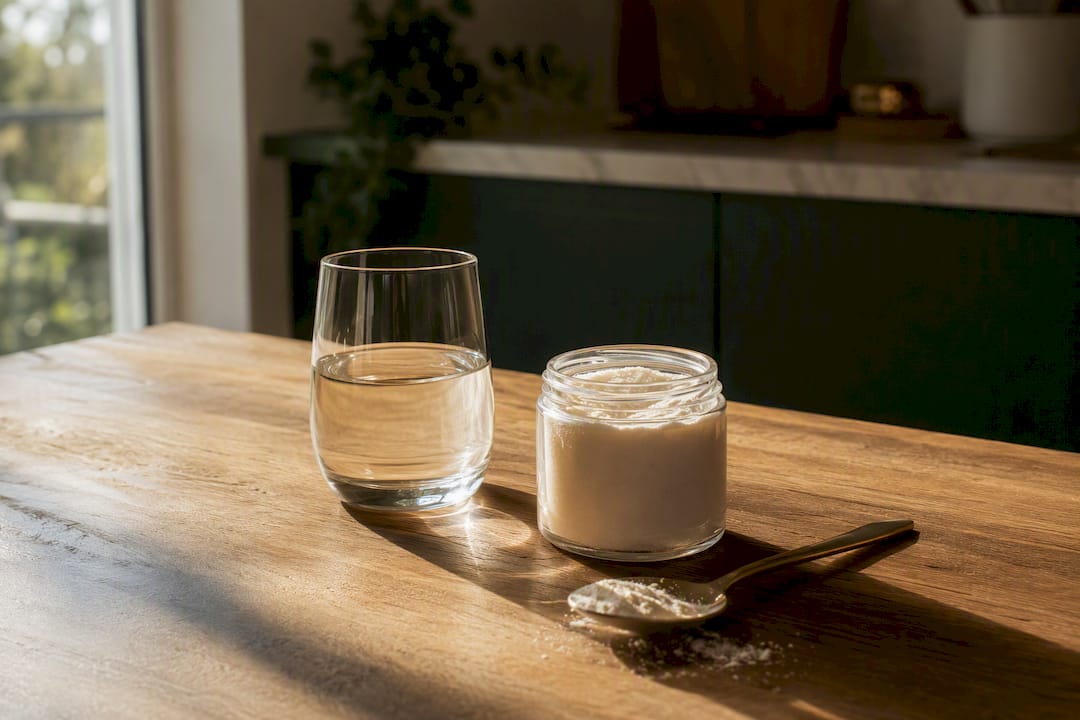
Bioactive collagen peptides have the strongest supplement evidence in this category. A randomized controlled trial in middle-aged women tested doses of 2.5 grams and 10 grams daily over 12 weeks. Both doses improved wrinkle depth, skin elasticity, and hydration, with the higher dose additionally raising systemic biomarkers linked to tissue repair and longevity signaling. The effect showed a dose-dependent pattern, indicating more than a simple increase in effect with higher doses.
Topical retinoids and topical estrogen work through different mechanisms but both have controlled data behind them. Topical estrogen improved skin quality markers in clinical studies without raising systemic hormone levels in blood work, making it a targeted local option. But it doesn’t work on severely sun-damaged skin, and it’s contraindicated for women with hormone-sensitive cancers. Mayo Clinic’s consumer guidance is blunt about over-the-counter creams generally: active ingredient concentration determines results, and prescription-strength retinoids outperform most cosmetic products.
Contraindications to flag with your clinician:
- Pregnancy or attempting to conceive (retinoids, some peptides)
- Active or history of hormone-sensitive cancer (topical or systemic estrogen)
- Certain skin conditions like rosacea (retinoids can worsen irritation)
- Existing medication interactions, especially blood thinners with high-dose supplements
When Does Hormone Replacement Therapy Make Sense?
HRT remains the most studied medical intervention for hormonal aging in women, and the evidence has gotten more precise, not less nuanced.
The clearest finding: HRT is linked to reduced epigenetic age acceleration and lower mortality risk, but that survival benefit isn’t uniform. Women with poor glycemic control saw a smaller protective effect than women with well-managed blood sugar, which means metabolic health and hormone therapy work best as a pair, not substitutes for each other.
Benefit-risk factors clinicians weigh:
- Cardiovascular: often protective when started near the onset of menopause, riskier when started much later
- Cancer risk: varies by HRT type (estrogen-only vs. combined) and personal/family history
- Symptom relief: strongest evidence for hot flashes, sleep disruption, and vaginal dryness
- Bone density: consistent protective effect against fracture risk
Women most likely to benefit are those within roughly ten years of menopause onset, without contraindicated cancer history, and with reasonably controlled metabolic markers. Timing and mode (systemic pill or patch versus localized topical) change the risk profile considerably, which is why this decision shouldn’t be made from a symptom checklist alone.
Pro Tip: If you’re considering HRT, ask your clinician specifically how your glucose and insulin markers factor into their recommendation. The connection between metabolic health and hormone therapy outcomes is real and often skipped in a rushed appointment.
What Lab Tests Should You Expect From a Clinician?
A thorough workup goes beyond a single blood draw. Here’s what typically gets ordered and why:
- Estradiol and progesterone: baseline reproductive hormone status
- FSH and LH: confirm menopausal stage
- TSH, free T4, free T3: rule out thyroid dysfunction mimicking hormonal symptoms
- Fasting glucose and HbA1c: assess glycation risk and insulin resistance
- Lipid panel: cardiovascular risk relevant to HRT decisions
- Cortisol: stress load and adrenal function
- Vitamin D: deficiency is common and affects bone and skin
- Sex-hormone-binding globulin (SHBG): affects how much active hormone is available in your body
Fasting glucose, HbA1c, and vitamin D are the most useful for tracking progress over months, since they shift measurably with lifestyle changes and give you an objective way to see whether your plan is working.
What Does an 8 to 12 Week Plan Look Like?
Progress in hormonal health rarely shows up overnight, but 8 to 12 weeks is usually enough time to see real movement if you’re consistent.
- Weeks 1 to 2: Get baseline labs drawn. Start sleep schedule fixes and cut processed sugar significantly.
- Weeks 3 to 4: Add resistance training and begin any clinician-approved supplement (collagen peptides at 2.5 to 10 grams daily is a reasonable starting range based on trial data).
- Weeks 5 to 6: Layer in HIIT sessions and a topical routine if recommended. Reassess symptom log for patterns.
- Weeks 7 to 8: If symptoms remain disruptive, discuss HRT candidacy with your clinician using updated labs.
- Weeks 9 to 12: Retest key labs, compare skin photos, and reassess sleep and energy scores against baseline.
| What to measure | Ideal timing | Expected earliest results |
|---|---|---|
| Fasting glucose/HbA1c | Baseline and week 12 | 4 to 8 weeks |
| Skin photos (standard lighting) | Baseline, week 6, week 12 | 8 to 12 weeks |
| Sleep quality score | Weekly | 2 to 4 weeks |
| Symptom log (energy, mood, hot flashes) | Daily, reviewed weekly | 2 to 6 weeks |
What Does the Research Actually Show?
The strongest data points come from a handful of studies worth knowing by name. A large cohort analysis tied HRT initiated around midlife to sustained reductions in biological age acceleration, with bigger effects the earlier it started. A separate epigenetic clock analysis reinforced that estrogen signaling lowers biological age markers and mortality risk, though glycemic status modifies how much benefit you get.
On the supplement side, the collagen peptide trial in middle-aged women stands out for measuring both skin outcomes and systemic biomarkers, not just wrinkle depth, giving it more weight than typical cosmetic studies.
None of this is settled science. Long-term human trials on many supplement compounds remain limited, and individual response varies with genetics, metabolic health, and how long hormonal decline has been underway before intervention starts.
Author perspective: hormones inside a four-layer aging strategy
Hormones are the Physical layer of aging, and they’re the layer most protocols stop at. That’s the mistake. I sequence it as labs and lifestyle first, then targeted topicals or supplements, then Emotional and Energetic integration, because stored stress and dysregulated nervous systems keep undoing hormonal progress if you skip them. My own biological age reads 23 at 41, verified by TruAge DNA methylation testing, and that number didn’t come from hormone work alone. It came from addressing all four layers at once.

How TIMELESS Approaches Hormonal Rejuvenation
Most hormonal guidance stops at labs and prescriptions. TIMELESS goes further by pairing physical interventions, including hormone-aware lab work, with the Emotional, Spiritual, and Energetic layers that most protocols never touch, which is why the results tend to hold rather than fade.
The TIMELESS Vitality Intensive is an 8-week private coaching program that includes lab testing, personalized integration across all four layers, and a DNA-verified guarantee: reverse your biological age by at least 10 years in 6 months, confirmed through TruAge methylation testing, or you get every dollar back. No other longevity program puts that kind of accountability behind its claims. The full four-layer blueprint, including how hormonal shifts interact with stored trauma and identity-level beliefs about aging, is documented in the TIMELESS book. If you want to start with something free, grab the 14 Upgrades guide for immediate, actionable shifts. If you’re ready for personalized guidance, book a free Vitality Diagnosis call and find out where your biological age actually stands.
Sources
- Hormone replacement therapy through the lens of epigenetic clock: estrogen signals, glycemic status, and lifespan | Biology of Sex Differences
- Topical hormonal treatment in anti-aging of the skin
- Wrinkle creams: Do they work? | Mayo Clinic
- Hormones may have therapeutic potential to prevent wrinkles, hair graying | Endocrine Society
This article is general information, not a substitute for advice from a qualified doctor. Consult a qualified healthcare professional about your own circumstances before acting on anything here.
FAQ
What Are the Main Female Sex Hormones?
The primary female sex hormones are estrogen (mainly estradiol) and progesterone, both produced primarily by the ovaries and central to reproductive function, skin health, and bone density.
Until What Age Do Women Typically Menstruate?
Most women in the US reach menopause, marked by 12 consecutive months without a period, around age 51, though perimenopausal changes often begin in the late 30s to mid-40s.
What Hormones Are Involved in the Menstrual Cycle?
The menstrual cycle is regulated by estrogen, progesterone, follicle-stimulating hormone (FSH), and luteinizing hormone (LH), which coordinate ovulation and the uterine lining’s monthly cycle.
How Can I Naturally Support My Hormonal Balance?
Prioritize consistent sleep timing, a Mediterranean-style anti-inflammatory diet, regular resistance training, and daily stress reduction, since all four directly influence insulin sensitivity and cortisol regulation. For a structured, science-backed approach that also addresses the emotional and energetic factors that undermine hormonal progress, the TIMELESS four-layer protocol offers a documented framework.